No products in the cart.
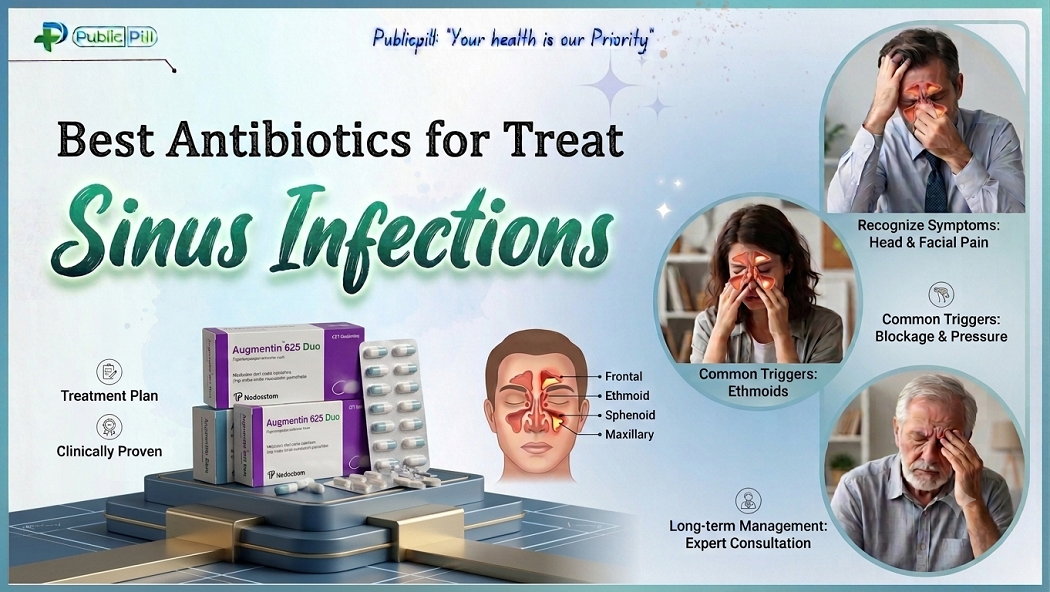
What Antibiotics Are Best for Sinus Infections? A Complete Evidence-Based Guide
Introduction
Sinus infections are one of the most common respiratory conditions affecting people around the world. Many people experience symptoms such as a blocked nose, facial pressure, headache, thick nasal mucus, reduced sense of smell, and difficulty breathing. However, not every sinus infection requires antibiotics.
A common misunderstanding is that any sinus problem is caused by bacteria and can be treated with antibiotics. In reality, most acute sinus infections begin after a viral infection, such as the common cold. Antibiotics work against bacteria, but they do not treat viruses. Using antibiotics when they are not needed may cause side effects and contribute to antibiotic resistance, which is a growing global health concern.
Understanding what causes sinus infections, how they develop, and when antibiotics may be useful can help people make better healthcare decisions.
What Is a Sinus?
A sinus is a natural air-filled cavity inside the bones of the face and skull. These spaces are located around the nose, cheeks, forehead, and behind the eyes. Medical professionals refer to them as paranasal sinuses.
Healthy sinuses are not empty or inactive spaces. They are lined with a thin layer of tissue called the mucous membrane, which produces mucus to trap dust, allergens, bacteria, and other particles entering through the nose.
Tiny hair-like structures called cilia continuously move this mucus toward the nasal passages. This natural cleaning system helps keep the respiratory system healthy.
Humans have four main pairs of sinuses:
- Maxillary sinuses – Located in the cheeks and the largest of all sinuses.
- Frontal sinuses – Located behind the forehead.
- Ethmoid sinuses – Located between the eyes.
- Sphenoid sinuses – Located deep behind the nose.
Sinuses help reduce the weight of the skull, improve voice resonance, warm and humidify inhaled air, and support the body’s natural defense system.
What Is a Sinus Infection?
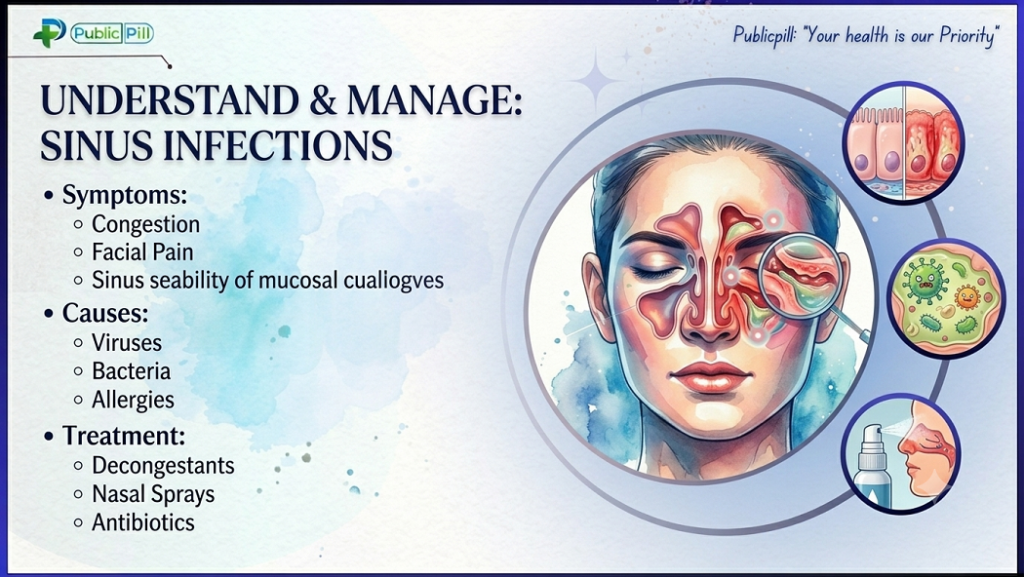 Antibiotics Are Best for Sinus Infections
A sinus infection, medically known as sinusitis or rhinosinusitis, occurs when the tissues lining the sinuses become inflamed.
Normally, mucus produced inside the sinuses drains through small openings into the nose. When inflammation causes these openings to become blocked, mucus can become trapped inside the sinus cavities.
This blockage may lead to:
- Pressure inside the face
- Nasal congestion
- Difficulty breathing through the nose
- Headache
- Thick nasal discharge
A sinus infection usually develops gradually. It often begins with a viral respiratory infection that causes swelling of the nasal passages. In some cases, bacteria may later grow in trapped mucus, leading to a bacterial sinus infection.
Types of Sinus Infections
Viral Sinus Infection
Viral sinus infections are the most common type.
They usually occur after:
- Common cold
- Influenza (flu)
- Other respiratory viruses
During a viral infection, the immune system responds by creating inflammation. This swelling can temporarily block sinus drainage.
Most viral sinus infections improve naturally as the immune system fights the virus. Antibiotics are not effective against viruses.
Common symptoms include:
- Runny nose
- Nasal congestion
- Mild facial pressure
- Cough
- Reduced sense of smell
Bacterial Sinus Infection
Bacterial sinus infections are less common than viral infections.
Doctors may suspect a bacterial infection when:
- Symptoms last more than 10 days without improvement.
- Symptoms become worse after initially improving.
- Severe symptoms occur, such as high fever, intense facial pain, and thick nasal discharge.
The decision to use antibiotics depends on the overall pattern of symptoms, medical history, and clinical evaluation.
Yellow or green mucus alone does not always mean a bacterial infection. Mucus color can change during many viral infections because of the immune response.
Fungal Sinus Infection
Fungal sinus infections are uncommon, especially in healthy people.
They are more likely in individuals with:
- A weakened immune system
- Certain chronic diseases
- Long-term immune-suppressing medications
- Poorly controlled diabetes
Fungal sinus infections require specific medical evaluation because antibiotics do not work against fungi.
What Causes Sinus Infections?
Sinus infections can develop due to several factors that interfere with normal sinus drainage.
Viral Infections
The most common trigger is a viral infection that causes swelling of the nasal and sinus lining.
Allergies
Allergic reactions to pollen, dust mites, mold, and pet dander can cause inflammation inside the nose. This swelling may block sinus drainage and increase mucus production.
Air Pollution
Air pollution is an important environmental factor. Smoke, vehicle emissions, industrial pollutants, and fine particles can irritate the respiratory system.
Long-term exposure may affect normal mucus clearance and increase the chance of sinus problems, especially in people with allergies or asthma.
Smoking
Cigarette smoke and vaping smoking damages the natural cleaning system of the nose and sinuses. It slows cilia movement, allowing mucus and particles to remain longer in the respiratory tract.
Structural Problems
Some people have anatomical conditions that make sinus drainage more difficult, including:
- Deviated nasal septum
- Nasal polyps
- Narrow sinus drainage pathways
Who Is More Likely to Develop Sinus Problems?
Sinus infections can affect people of all ages, but some groups have a higher risk.
Children
Children commonly experience viral respiratory infections because their immune systems are still developing. Their smaller nasal passages can also make congestion more noticeable.
Adults
Adults with allergies, smoking habits, asthma, or frequent exposure to pollution may experience sinus infections more often.
Older Adults
Older individuals may have increased risk because of changes in immune function and the presence of other health conditions.
People With Certain Health Conditions
Higher risk may occur in people with:
- Asthma
- Allergic rhinitis
- Diabetes
- Immune system disorders
How Climate and Environment Affect Sinus Health
The environment plays an important role in sinus health.
Cold Weather
Cold and dry air can irritate the nasal passages and increase mucus production.
Humidity
Very dry environments may cause nasal dryness, while excessive humidity can encourage mold growth, which may trigger allergies.
Pollution
People living in areas with higher air pollution may experience more respiratory irritation.
Seasonal Changes
Many people notice sinus symptoms during:
- Spring, due to pollen exposure
- Winter, due to respiratory viruses
- Monsoon seasons, due to increased humidity and mold exposure
Common Symptoms of Sinus Infection
Symptoms may vary depending on the cause and severity.
Common symptoms include:
- Blocked nose
- Facial pressure or pain
- Headache
- Thick nasal mucus
- Postnasal drip
- Reduced smell or taste
- Cough
- Fatigue
- Fever in some cases
More serious symptoms that require medical attention include:
- Swelling around the eyes
- Vision changes
- Severe headache
- Confusion
- High fever with worsening symptoms
How Is Sinus Infection Diagnosed?
Doctors usually diagnose sinus infections based on:
- Patient history
- Duration of symptoms
- Physical examination
- Nasal examination
In some situations, additional tests may be considered:
- Nasal endoscopy
- CT scan of the sinuses
- Laboratory testing in complicated cases
Imaging is not always required for simple acute sinus infections.
What Antibiotics Are Best for Sinus Infections?
The best antibiotic depends on whether the infection is truly bacterial, the patient’s medical history, allergies, local resistance patterns, and the severity of symptoms.
Medical guidelines generally recommend that antibiotics should only be used when a bacterial sinus infection is suspected.
Healthcare professionals may consider antibiotics such as:
- Amoxicillin-based medicines
- Amoxicillin with clavulanate – Augmentin 625 Duo
- Alternative antibiotics for people with specific allergies
The choice of antibiotic should always be determined by a qualified healthcare professional.
Taking leftover antibiotics or using antibiotics without proper evaluation is not recommended.
Why Antibiotic Resistance Matters
Antibiotic resistance occurs when bacteria change and become less responsive to medicines designed to kill them.
Unnecessary antibiotic use can contribute to this problem.
Responsible antibiotic use helps:
- Protect future treatment options
- Reduce unnecessary side effects
- Prevent the spread of resistant bacteria
How Can Sinus Infections Be Prevented?
Although every infection cannot be prevented, several habits may support sinus health:
- Wash hands regularly
- Avoid smoking and secondhand smoke
- Manage allergies properly
- Stay hydrated
- Avoid excessive exposure to dust and pollution
- Maintain good indoor air quality
- Get appropriate vaccinations recommended by healthcare providers
Keeping the nasal passages healthy helps maintain normal mucus drainage and protection.
Frequently Asked Questions (FAQs)
Are all sinus infections treated with antibiotics?
No. Most acute sinus infections are caused by viruses and improve without antibiotics.
How long does a sinus infection usually last?
Many acute sinus infections improve within one to two weeks, although some symptoms may last longer.
Does green mucus mean I need antibiotics?
No. Mucus color alone does not confirm a bacterial infection.
Can allergies cause sinus infections?
Allergies can cause inflammation and blockage, increasing the risk of sinus problems.
Can children get sinus infections?
Yes. Children commonly experience sinus symptoms, especially after viral infections.
Conclusion
Sinus infections are common conditions caused by inflammation and blockage of the sinus drainage system. Although many people associate sinus infections with bacteria, most acute cases begin with viruses and do not require antibiotics.
The decision to use antibiotics should be based on symptom duration, severity, and medical evaluation rather than assumptions. Understanding the difference between viral, bacterial, and fungal sinus infections can help people receive appropriate care and avoid unnecessary antibiotic use.
Maintaining healthy habits, managing allergies, avoiding pollutants, and seeking medical advice when symptoms persist are important steps for long-term sinus health.
References
- Centers for Disease Control and Prevention (CDC) – Sinus Infection (Sinusitis)
https://www.cdc.gov/sinus-infection/ - Centers for Disease Control and Prevention (CDC) – Adult Outpatient Clinical Care: Antibiotic Prescribing Guidelines
https://www.cdc.gov/antibiotic-use/hcp/clinical-care/adult-outpatient.html - Infectious Diseases Society of America (IDSA) – Clinical Practice Guideline for Acute Bacterial Rhinosinusitis
https://www.idsociety.org/practice-guideline/rhinosinusitis/ - American Academy of Otolaryngology–Head and Neck Surgery (AAO-HNS) – Clinical Practice Guideline: Adult Sinusitis
https://www.entnet.org/quality-practice/quality-products/clinical-practice-guidelines/adult-sinusitis/ - National Institute for Health and Care Excellence (NICE) – Sinusitis (Acute): Antimicrobial Prescribing Guideline
https://www.nice.org.uk/guidance/ng79 - National Health Service (NHS) – Sinusitis (Sinus Infection)
https://www.nhs.uk/conditions/sinusitis-sinus-infection/ - World Health Organization (WHO) – Antimicrobial Resistance
https://www.who.int/health-topics/antimicrobial-resistance - National Center for Biotechnology Information (NCBI Bookshelf) – Anatomy, Head and Neck: Paranasal Sinuses
https://www.ncbi.nlm.nih.gov/books/ - StatPearls – Acute Sinusitis, NCBI Bookshelf
https://www.ncbi.nlm.nih.gov/books/ - Merck Manual Professional Edition – Sinusitis
https://www.merckmanuals.com/professional - Mayo Clinic – Sinusitis: Symptoms and Causes
https://www.mayoclinic.org/diseases-conditions/chronic-sinusitis/ - PubMed – National Library of Medicine: Research Articles on Rhinosinusitis, Mucociliary Clearance and Sinus Anatomy
https://pubmed.ncbi.nlm.nih.gov/ - European Position Paper on Rhinosinusitis and Nasal Polyps (EPOS)
https://epos2020.com/ - American Academy of Allergy, Asthma & Immunology (AAAAI) – Allergic Rhinitis and Sinus Health Information
https://www.aaaai.org/ - National Institutes of Health (NIH) – Respiratory Health Information
https://www.nih.gov/

Publicpill