
No products in the cart.
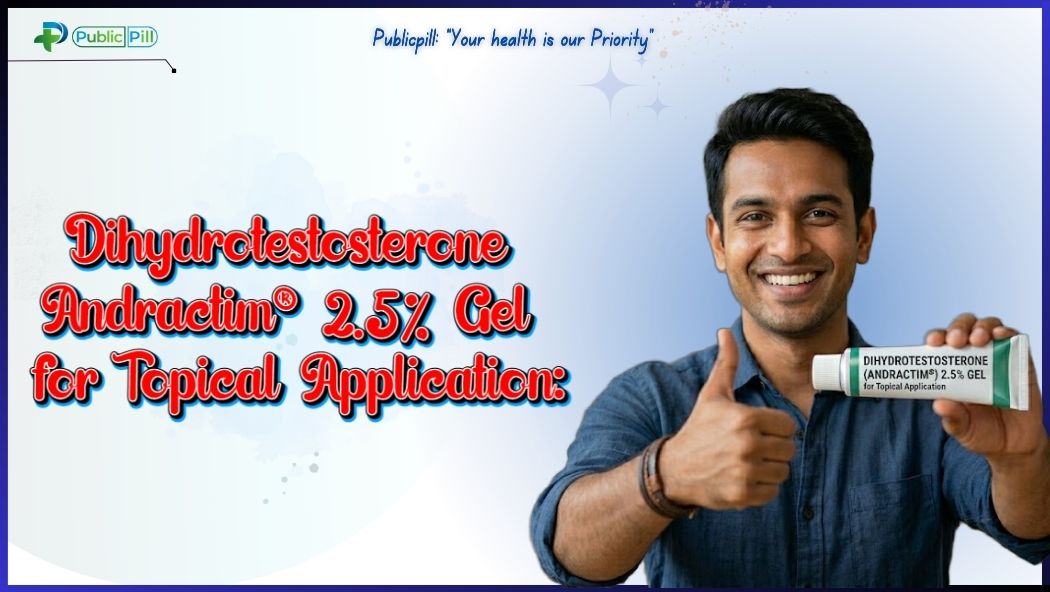
Dihydrotestosterone (Andractim®) 2.5% Gel for Topical Application: Uses, Dosage, Side Effects, and Precautions
Hormones serve as the ultimate chemical messengers in the human body, regulating everything from metabolism and mood to physical development and reproductive health. For male physiological development, androgens (male sex hormones) play a foundational role.
Among these androgens, Dihydrotestosterone (DHT) is one of the most potent. When the body faces a deficit or structural developmental challenges due to hormonal imbalances, specialized topical treatments like Andractim® 2.5% Gel are prescribed.
In this comprehensive guide, we will delve into what Dihydrotestosterone 2.5% Gel is, how it works, its clinical uses, correct application methods, and crucial safety parameters you need to know.
1. What is Andractim® 2.5% Gel?
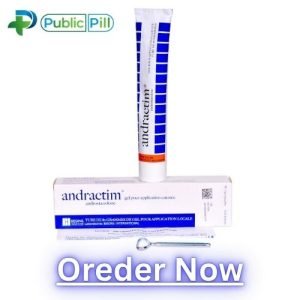
Andractim® is the brand name for a topical dermatological gel containing Dihydrotestosterone (DHT) at a concentration of 2.5%.
Unlike oral medications that must pass through the digestive system and liver, this formulation is designed for topical application, meaning it is applied directly onto the skin.
Understanding DHT vs. Testosterone
While testosterone is the most commonly known male hormone, Dihydrotestosterone (DHT) is actually a metabolite of testosterone, converted by an enzyme called 5-alpha reductase. DHT is significantly more potent than testosterone when binding to androgen receptors, making it essential for specific tissue developments, particularly during embryonic stages and puberty.
2. Primary Clinical Uses and Benefits
Dihydrotestosterone- Andractim® 2.5% Gel is not a general wellness or fitness supplement; it is a highly specialized medical treatment. Endocrinologists primarily prescribe it for the following conditions:
A. Congenital or Acquired Micropenis
The most prevalent medical indication for Andractim® Gel – Dihydrotestosteroneis the treatment of an abnormally small penis (micropenis) in infants, children, or young adults. This condition often arises due to a lack of fetal androgen production or tissue insensitivity. Localized application of dht gel 2.5 (androstanolone) helps stimulate tissue growth and penile development safely before or during puberty.
B. 5-Alpha Reductase Deficiency
Some individuals are born with a genetic mutation where their body cannot produce enough of the 5-alpha reductase enzyme. Consequently, their bodies cannot convert testosterone into the essential DHT hormone. Dihydrotestosterone bypasses this enzyme deficiency by delivering pure, active DHT directly to the system.
C. Idiopathic Gynecomastia
Gynecomastia refers to the benign enlargement of breast tissue in males, typically caused by an imbalance between estrogen and androgen levels. In specific clinical cases where an androgen deficit is identified, short-term application of DHT gel may be utilized to restore hormonal balance and reduce breast tissue volume.
3. Mechanism of Action: How Does It Work?
When Dihydrotestosterone gel is smoothed over the prescribed area of the skin, it penetrates the stratum corneum (the outermost layer of skin) and enters the local tissues and bloodstream.
|
| Buy DHT 2.5% Gel Online |
Once absorbed, the DHT molecules bind directly to androgen receptors inside target cells. This binding triggers specific genetic signaling that promotes cellular growth, protein synthesis, and tissue differentiation. Because it is pre-converted, the body does not need to rely on internal enzymes to achieve the desired androgenic effect.
4. Dosage and Correct Application Methods
Because Dihydrotestosterone (Andractim®) 2.5% gel for topical solution is a powerful hormone, the dosage must be precisely calculated by a doctor based on the patient’s age, body surface area, and baseline hormone levels.
To maximize efficacy and minimize accidental exposure to others, the following application protocol should be strictly followed:
Wear Protective Gloves: The person applying the gel should ideally wear disposable gloves. If applying with bare hands, the hands must be scrubbed thoroughly with soap and water immediately afterward to prevent accidental systemic absorption through the palms.
Prepare the Skin: Ensure the targeted skin area is clean, completely dry, and free of any cuts, open wounds, rashes, or infections.
Apply Smoothly: Spread the prescribed amount of gel thinly and evenly over the designated area. Do not rub it vigorously; let it sit smoothly on the skin.
Allow to Dry Completely: Keep the area uncovered for at least 5 to 10 minutes until the gel has completely evaporated and dried.
Cover Up: Once dry, cover the application site with loose clothing to prevent the medication from rubbing off onto clothes, bedding, or other people.
Avoid Bathing: Do not shower, swim, or bathe for at least 4 to 6 hours after application to give the hormone adequate time to fully absorb.
5. Potential Side Effects
Like any hormonal therapy, Dihydrotestosterone Gel can cause side effects if the dose is too high, or if the individual’s body is highly sensitive to androgens.
Localized (Skin-Related) Side Effects:
Redness (erythema), mild itching, or a burning sensation at the application site.
Increased oiliness of the skin or localized acne breakout.
Systemic (Body-Wide) Side Effects:
If the hormone builds up excessively in the bloodstream, patients may experience symptoms of androgen excess, including:
Accelerated or premature body hair growth.
Rapid mood shifts, increased irritability, or hyperactivity.
Unexplained or sudden weight gain due to water retention or muscle mass increase.
Premature closure of growth plates (epiphyseal fusion) in young children if used incorrectly over extended periods, which can affect adult height.
When to call a doctor: If the patient exhibits extreme behavioral changes, severe skin blistering, or signs of an allergic reaction (swelling of the face, difficulty breathing), wash the area immediately and seek emergency medical care.
6. Crucial Precautions and Warnings
The Danger of Accidental Secondary Transfer
The single most critical risk regarding topical hormone gels is secondary transfer—when the gel accidentally rubs off onto someone else.
Women and Pregnant Individuals: Exposure to DHT can cause severe birth defects in a developing male fetus (virilization). Pregnant or breastfeeding women must completely avoid contact with the gel, the application site, or unwashed clothing worn by the patient.
Children: Accidental exposure in young children can cause early puberty, aggressive behavior, and premature genital development.
Existing Medical Conditions
Before starting Dihydrotestosterone Gel, inform your physician if the patient has a history of:
Liver or kidney impairment.
Heart conditions or severe hypertension.
Known or suspected prostate disorders (in adult patients), as androgens can stimulate prostate tissue.
Alcohol and Lifestyle
While there is no direct chemical contraindication, consuming alcohol while undergoing hormone therapy is discouraged, as alcohol can place additional strain on the liver and alter overall metabolic health.
7. Drug Interactions
Dihydrotestosterone Gel can interact with other therapeutic substances passing through your system. Be sure to disclose if the patient is using:
Corticosteroids: Concomitant use may increase the risk of fluid retention and swelling (edema).
Anticoagulants (Blood Thinners): Androgens can increase sensitivity to oral anticoagulants, potentially altering bleeding times.
Other Topical Products: Avoid applying other creams, lotions, or ointments to the exact same patch of skin simultaneously, as this can severely disrupt the absorption rate of the DHT gel.
8. Storage, Shelf Life, and Safe Disposal
Proper management of the medication preserves its stability and prevents domestic accidents:
Temperature Control: Store the tube at stable room temperature, away from direct heat, moisture, and sunlight. Do not freeze it.
Lock It Away: Because of the high risk associated with accidental exposure, keep this medication in a locked cabinet entirely out of reach of children and family pets.
Responsible Disposal: Never discard leftover gel or empty tubes in regular household trash or down the drain. Speak to a local pharmacist about medical waste disposal programs to ensure it doesn’t contaminate public water or environments.
9. Handling Missed Doses and Overdoses
If you miss a dose: Apply the missed dose as soon as you remember, provided the next scheduled dose is not hours away. If it is almost time for the next application, skip the missed dose entirely and resume your regular schedule. Never double the amount to make up for a forgotten application.
If an overdose occurs: If too much gel is applied, wipe it off thoroughly and wash the skin with soap and water. If the gel is accidentally ingested by a child or adult, call your local poison control center or rush to the nearest hospital emergency room immediately.
Summary: A Precise Tool Requiring Strict Discipline
DHT Gel is a highly effective, targeted medical solution for individuals dealing with specific developmental and androgenic deficiencies. Because it deals directly with the endocrine system, its success relies entirely on adherence to your doctor’s exact instructions, diligent application safety protocols, and routine clinical checkups to monitor hormone profiles.
Medical Disclaimer: This blog is for informational and educational purposes only. Andractim® Gel is a potent hormonal medication containing Dihydrotestosterone. It must only be used under the strict supervision and prescription of a qualified endocrinologist or healthcare professional. Self-medication can lead to severe hormonal imbalances and health risks.