
No products in the cart.
The Causes Of Penile Cancer: What Are The Risk Factors?
Penile cancer is a rare condition, but it should be taken seriously if diagnosed. Detecting the disease at an early stage can significantly improve the chances of successful treatment. However, if it progresses to more advanced stages, managing the condition may become more challenging and require intensive medical care. Seeking timely medical attention and following the recommended treatment plan can make a substantial difference in the overall outcome.
Before discussing the causes and risk factors, it is important to understand how this condition can be recognized in its early stages. Identifying the warning signs as soon as possible can help ensure timely medical attention and improve treatment outcomes. Familiarizing yourself with the common symptoms may also help determine whether the changes you are experiencing require further evaluation for penile cancer.
Primary Note:
Conditions like phimosis and persistent infections should not be overlooked, as early diagnosis and proper treatment can help reduce the risk of serious complications. Maintaining good genital hygiene and addressing symptoms promptly may also support long-term penile health. If you notice unusual sores, lumps, irritation, or discharge, consult a healthcare professional for a proper evaluation, as these could be early signs of penile cancer or other underlying conditions.
Primary Stage Identifiable Features Of Penile Cancer:
Changes In The Skin:
Pay close attention to any noticeable changes in the appearance of the penile skin. Persistent thickening, unusual discoloration, or changes in texture should not be ignored. Warning signs may include white or reddish patches, areas that appear bluish or darkened, or skin that looks different from its normal appearance. While these changes do not always indicate a serious condition, they should be evaluated by a healthcare professional, especially if they persist or worsen over time. Early assessment can help identify the underlying cause and ensure appropriate treatment if needed.
Sores On Penis:
Unusual sores, lumps, or growths on the penis should never be overlooked. pelvic area abnormalities may appear as a painless bump, a wart-like growth, or an ulcer that bleeds or does not heal properly. While such symptoms can result from various conditions, persistent changes should be evaluated by a healthcare professional as soon as possible. Early medical attention can help determine the cause and, if necessary, identify potential signs of penile cancer before the condition progresses further
Lumps In The Groin:
The presence of a lump, swelling in the groin area, or enlarged lymph nodes near the genital region should be taken seriously, particularly when accompanied by an unusual or foul-smelling discharge. Although these symptoms can be linked to infections or other medical conditions, they may also indicate an underlying problem that requires prompt evaluation. Seeking medical advice at an early stage can help identify the cause and ensure appropriate treatment, especially if there is concern about penile cancer.
Causes And Risks Associated With Penile Cancer:
Cancer develops when cells in a specific part of the body begin to grow and behave abnormally. In its early stages, these abnormal cells are typically confined to the area where they originated. However, as the disease progresses, cancer cells may invade nearby tissues and, in some cases, spread to other parts of the body through the lymphatic system or bloodstream. This process, known as metastasis, can make the condition more difficult to treat, which is why early detection and timely medical intervention are so important.
Understanding the possible causes and risk factors can help you become more aware of the condition and take preventive measures when possible. While penile cancer is relatively uncommon, several factors may increase the likelihood of developing the disease. The following are some of the most commonly recognized causes and contributing risk factors associated with penile cancer:
➯ HPV:
Human papillomavirus (HPV) infection is considered one of the most significant risk factors associated with penile cancer. Research has shown that certain high-risk HPV strains, particularly types 16 and 18, are more commonly linked to the development of this condition. While not everyone infected with HPV will develop cancer, persistent infection with high-risk strains can increase the likelihood of abnormal cellular changes over time. Several factors may contribute to the transmission and persistence of HPV, including lifestyle habits, sexual health practices, and limited access to preventive healthcare.
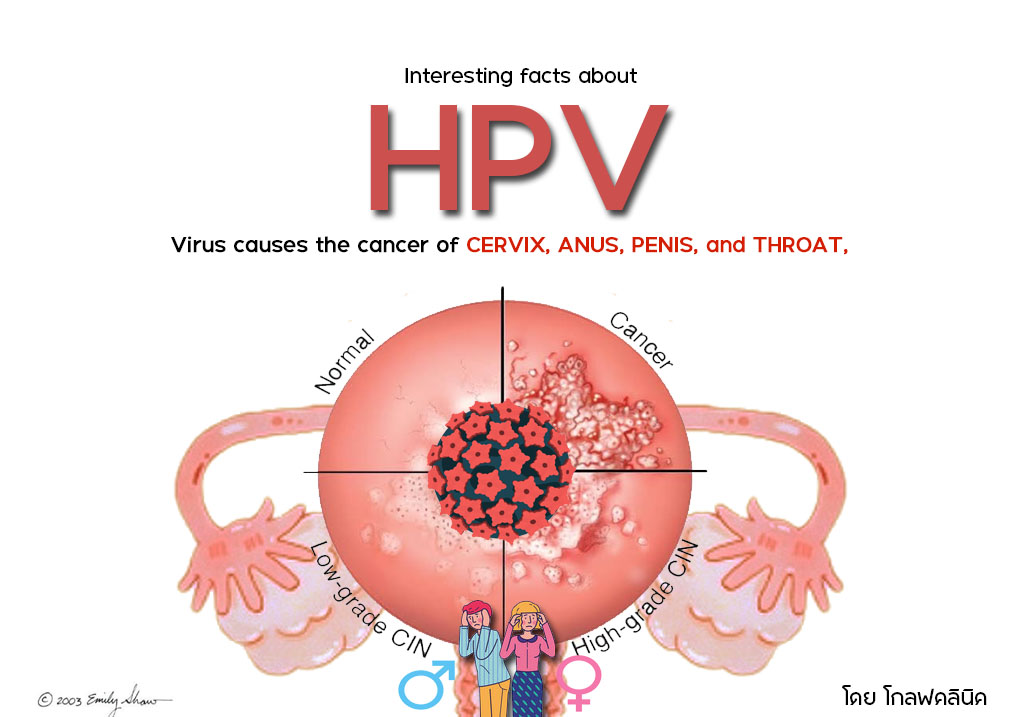 Understanding the key causes and risk factors of penile cancer can help support early detection and prevention.
Several factors can increase the risk of acquiring HPV infection, including:
- Having sexual contact with multiple partners, which may increase exposure to the virus.
- Direct skin-to-skin contact with an infected person, including intimate genital contact.
- Transmission from an infected mother to her baby during childbirth, although this is considered relatively uncommon.
- A weakened immune system, such as in individuals living with HIV/AIDS or other conditions that reduce the body’s ability to fight infections.
➯ Phimosis:
Phimosis is a condition in which the foreskin becomes tight and difficult to retract over the head of the penis. While it does not always lead to serious complications, untreated phimosis can make it harder to maintain proper genital hygiene. Poor hygiene may contribute to the buildup of smegma, a substance made up of dead skin cells, natural oils, and moisture that can accumulate beneath the foreskin.
Over time, chronic irritation, inflammation, and inadequate cleaning may increase the risk of infections and other penile health problems. Although phimosis itself is not cancer, it has been identified as a potential risk factor for Penile Cancer, particularly when it is severe or left untreated for long periods. Regular hygiene practices and prompt medical attention for persistent symptoms can help reduce these risks.
➯ Carcinogen In The Bloodstream:
Exposure to certain cancer-causing substances, known as carcinogens, may increase the risk of developing various types of cancer. These harmful agents can be present in chemicals, industrial materials, tobacco smoke, or environmental pollutants. People who work in industries involving frequent exposure to chemicals, dust, dyes, paints, or other hazardous substances may face a higher risk if proper safety precautions are not followed.
Smoking is another well-established risk factor, as tobacco use exposes the body to numerous carcinogenic compounds that can damage cells over time. While exposure to carcinogens does not guarantee that cancer will develop, reducing contact with these substances and adopting healthier lifestyle habits can help lower the overall risk of cancer-related diseases.
What To Do In Case Of Primary Symptoms:
If you notice any symptoms that appear unusual or persistent, it is important to consult a healthcare professional as soon as possible. Early medical evaluation can help identify the underlying cause and determine whether further testing is necessary. Maintaining good personal hygiene, staying well-hydrated, and practicing safe sex can support overall genital health and may help reduce the risk of infections and other complications.
Once a healthcare provider assesses your symptoms, they may recommend specific diagnostic tests to confirm the condition and evaluate its severity. Based on the results, an appropriate treatment plan can be developed to address the underlying issue effectively. The following sections outline some of the commonly used diagnostic methods and treatment options for penile cancer.
Diagnostic Methods
Healthcare providers may use several diagnostic techniques to confirm the presence of penile cancer and determine its extent:
- Biopsy: A small sample of tissue is removed and examined under a microscope to identify abnormal or cancerous cells.
- Imaging Tests: Imaging studies such as MRI, CT scans, or ultrasound may be used to assess the size of the tumor and determine whether the disease has spread to nearby tissues or lymph nodes.
- Cancer Staging: Once cancer is confirmed, doctors evaluate its stage using systems such as the Tumor, Node, Metastasis (TNM) classification. Staging helps guide treatment decisions and ranges from very early disease to advanced stages.
Treatment Options
Treatment depends on the stage, location, and severity of the condition. Common approaches include:
- Early-Stage Treatments: For localized disease, procedures such as laser therapy, topical treatments, or Mohs micrographic surgery may be used to remove cancerous tissue while preserving as much healthy tissue as possible.
- Surgical Treatment: In some cases, surgery may involve circumcision, removal of a small affected area, or partial or total penectomy when the cancer is more extensive.
- Chemotherapy: Anti-cancer medications may be used to destroy cancer cells, reduce tumor size, or help prevent the spread of the disease, particularly in more advanced cases.
Doctors may also recommend radiation therapy or a combination of treatments depending on the individual patient’s condition and treatment goals.
The Final Guide:
Reducing the risk of penile cancer largely involves maintaining good genital hygiene, practicing safe sex, and paying attention to any unusual changes in penile health. Using protection during sexual activity may help lower the risk of sexually transmitted infections, including HPV, which is a known risk factor for this condition.
Adopting a healthy lifestyle, avoiding tobacco products, and attending regular medical checkups can also support long-term health. Most importantly, do not ignore persistent symptoms such as sores, lumps, discoloration, or unusual discharge. Early detection often leads to more effective treatment and improved outcomes, making routine self-awareness and timely medical consultation essential.
FAQs:
Q. At What Age Can I Develop Penile Cancer?
Penile cancer is most commonly diagnosed in men over the age of 55, although it can occur earlier. Regular self-examinations and prompt medical attention for unusual symptoms are recommended at any age.
Q. Is Penile Cancer Treatable?
Yes, penile cancer is often treatable, especially when detected early. Treatment options may include surgery, laser therapy, radiation therapy, or chemotherapy, depending on the stage of the disease.
Q. How Is Penile Cancer Diagnosed?
Doctors typically diagnose penile cancer through a physical examination, biopsy, and imaging tests such as CT scans or MRI when needed.
Q. How Can I Reduce My Risk of Penile Cancer?
Maintaining good genital hygiene, practicing safe sex, avoiding tobacco use, and receiving the HPV vaccine can help reduce the risk of penile cancer.