
No products in the cart.
What Are the Top 10 Medications for Anxiety? – Full Guide
Understanding Anxiety
Anxiety initially serves a protective purpose, but it becomes a clinical issue when it turns into a persistent state of being. There are various conditions, such as generalized anxiety disorder, panic disorder, separation anxiety, and social anxiety disorderAnxiety is a common yet deeply personal experience that can manifest as anything from physical tension to a restless mind. Understanding your anxiety treatment options is the first step toward reclaiming your peace of mind and daily focus. While lifestyle changes and therapy are foundational, finding the right anxiety medication for you can provide the necessary stability to manage symptoms effectively and improve your overall quality of life.
This condition Anxiety causes a plethora of annoyances, including irritability and muscle tension, which often make sleep difficult and create significant hurdles in daily life. Because these symptoms can be so disruptive, learning about anxiety medication options is a necessary step toward finding relief.
How Anxiety Affects Daily Life
Anxiety manifests in various ways; some experience physical symptoms, like being obsessed with their heartbeat or feeling chest tension, while others struggle with a restless mind. Often, people don’t realize how much these feelings interfere with daily life, making it important to correlate your activities with your mental fatigue. Untreated anxiety can lead to significant health consequences.
Fortunately, mental health care has advanced, and patients can now access several effective anxiety treatment options. These include behavioral interventions and pharmacological approaches. For many, anxiety treatment options can be a key factor in stabilizing symptoms and greatly improving your overall quality of life.
How Do Anxiety Medications Work?
Medications designed to treat anxiety work by shifting the balance of certain neurotransmitters in the brain—specifically rising, necking, balancing, and moderating their levels. There are various classes of medications that influence these neurotransmitters in different ways to provide relief.
 Anxiety Treatment Options: Top 10 Medications Guide
SSRIs (Selective Serotonin Reuptake Inhibitors): These improve mood by increasing serotonin concentrations.
SNRIs (Serotonin-Norepinephrine Reuptake Inhibitors): These work by balancing both norepinephrine and serotonin.
Benzodiazepines: Benzodiazepines enhance GABA levels to produce a calming effect.
Beta-blockers: These target physical symptoms like trembling or a rapid heart rate.
TCAs and MAOIs: These are typically reserved for when other anxiety treatment options have not been effective.
It is critical to recognize that the maximum effect of these treatments can take several weeks. During this time, a patient’s symptoms may shift, and it is important to monitor any side effects. Working closely with a professional to find the right anxiety treatment options for you is the most effective way to ensure long-term stability and an improved quality of life.
Top 10 anxiety treatment options
The following list highlights some of the most frequently prescribed options for managing anxiety symptoms. Finding the right anxiety medication for you often depends on your specific symptoms and medical history. Most anxiety medications are:
1. Sertraline (Zoloft)
As a selective serotonin reuptake inhibitor (SSRI), sertraline is a typical first choice for treating generalized anxiety, panic, and depression.
2. Escitalopram (Lexapro)
Known for a relatively rapid onset and limited side effects, this is a routine choice for generalized anxiety disorder. Escitalopram is a routine choice for treatment of depression and generalized anxiety disorders due to rapid onset and limited side effects.
3. Paroxetine (Paxil)
This medication effectively reduces the impact of panic and social anxiety, though it may carry more side effects than other SSRIs.
4. Fluoxetine (Fluvoxin)
A long-acting SSRI frequently used to stabilize mood and reduce persistent worry.
5. Venlafaxine (Effexor XR)
An SNRI (serotonin and norepinephrine reuptake inhibitor) widely used to manage intense anxiety and panic disorders.
6. Duloxetine (Cymbalta)
Another SNRI often prescribed when anxiety is accompanied by chronic physical pain.
7. Buspirone (Buspar)
A non-sedative option that is considered safe for long-term use compared to traditional sedatives.
8. Clonazepam (Klonopin)
A fast-acting benzodiazepine used for acute panic, though it carries a risk of dependence.
9. Lorazepam (Ativan)
Often used for short-term relief, this benzodiazepine helps manage severe anxiety episodes.
10. Propranolol (Inderal)
A beta-blocker that controls physical symptoms like shaking and a rapid heartbeat, often used for performance-related distress. Exploring these anxiety treatment options with a healthcare professional like Publicpill is the best way to determine which approach will most effectively improve your quality of life.
Potential Side Effects and Considerations
While anxiety medications are highly effective, they can sometimes lead to various side effects. Common issues reported by patients include nausea, changes in weight, sleeplessness, sexual dysfunction, and increased tiredness or fatigue. Paradoxically, some individuals may even experience a temporary increase in anxiety treatment options when starting a new regimen.
Because of the potential for dependency and specific safety concerns, fast-acting benzodiazepines like Lorazepam should be used with extreme caution and generally avoided for long-term treatment. It is critical to strictly follow your physician’s instructions and never attempt to self-taper or adjust your dosage on your own. Discussing these anxiety treatment options with a professional ensures you can manage side effects safely while finding the most effective anxiety medication for you.
Are There Alternatives to Medication?
While medication can make managing symptoms much more straightforward, it is just one of many anxiety treatment options available. If you are starting or stopping a regimen, it is vital to do so as slowly as possible and only under the strict direction of your physician to ensure your safety.
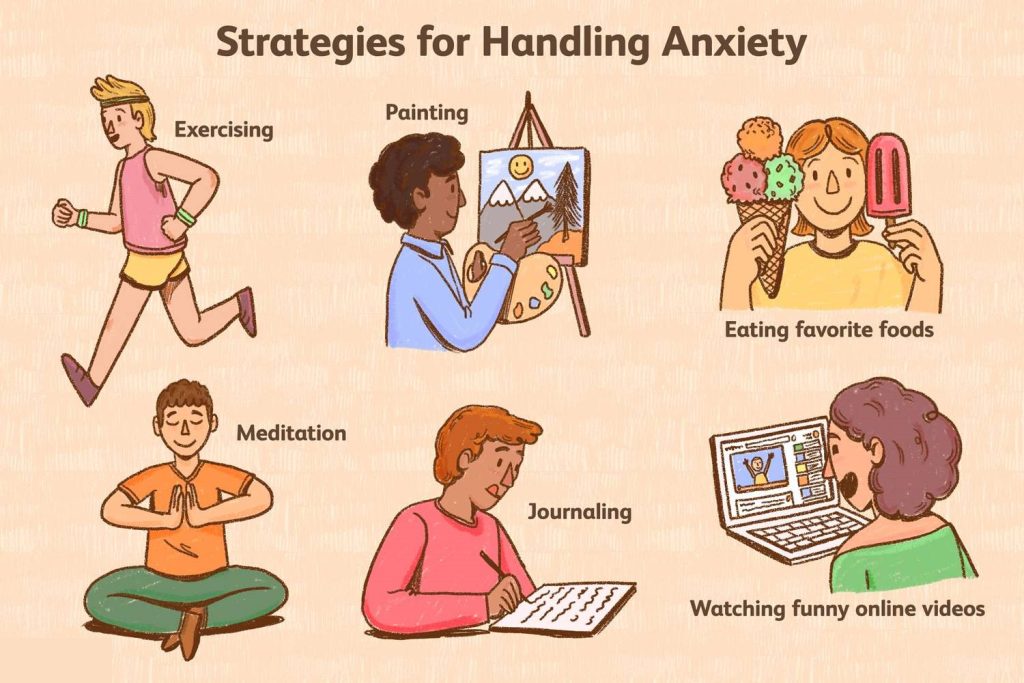
Beyond pharmacological approaches, here are some effective alternatives for anxiety management that can help you find the right anxiety medication for you or complement your existing treatment plan.
1. Therapies
Cognitive Behavioral Therapy (CBT) is an excellent option of American psychotherapy for making and maintaining change.
2. Changes in Lifestyle
Because caffeine is a neurotoxin, many people find that they can greatly reduce their anxiety symptoms by eliminating or drastically reducing the amount of caffeine intake, alongside proper nutrition and getting plenty of rest.
3. Other Possible Natural Therapies
Individuals looking to utilize natural therapy can use a variety of synthetic remedies like, herbs, flax, omega-3’s, and magnesium, while also maintaining a very honest and open channel of communication with their healthcare provider.
Final Thoughts
While anxiety can be extremely distressing, it is manageable through a variety of highly efficacious methods. Choosing the right anxiety treatment options should always be done in close consultation with qualified healthcare providers to ensure safety and effectiveness.
It is important to remember that medication is only one part of the equation. When used in conjunction with professional therapy and a healthy lifestyle, symptoms become much more manageable. By working with family practitioners, you can achieve a healthy balance and find the most effective anxiety medication for you to support long-term well-being.