
No products in the cart.
Key Testosterone Gel Benefits in Men and Their Onset

Key Testosterone Gel Benefits in Men and Their Onset
Testosterone is an important hormone involved in male sexual development, reproductive function, muscle maintenance, bone health, and overall well-being. Testosterone levels may gradually decline with age and can also be affected by factors such as certain medical conditions, lifestyle habits, and other health-related issues. When testosterone levels become abnormally low, a condition known as hypogonadism may occur, potentially contributing to symptoms such as reduced libido, erectile difficulties, fatigue, and fertility problems.
For men diagnosed with low testosterone, Testosterone Replacement Therapy (TRT) may be considered under appropriate medical supervision. Testosterone gel is one form of TRT that is applied to the skin rather than administered through injections. When prescribed appropriately, it can help increase testosterone levels and may improve certain symptoms associated with testosterone deficiency.
In this article, we will explore the potential benefits of testosterone gel, how it compares with other forms of TRT, how long it may take for noticeable effects to develop, and important safety considerations to understand before and during treatment.
Testosterone gel benefits for Low Testosterone
Testosterone gel, available under brand names such as AndroGel and Cernos Gel, is a prescription form of testosterone replacement therapy used to help restore testosterone levels in men with medically confirmed testosterone deficiency. It is generally applied to clean, dry skin on recommended areas such as the shoulders, upper arms, or abdomen, depending on the specific product instructions. After application, testosterone is absorbed through the skin and gradually released into the body. The treatment is intended to help bring testosterone levels toward the target range and may help relieve symptoms associated with low testosterone when used as prescribed.
Save up to 90% on your medicine bills
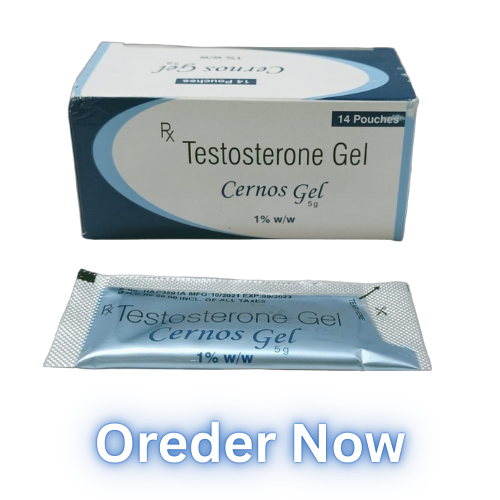
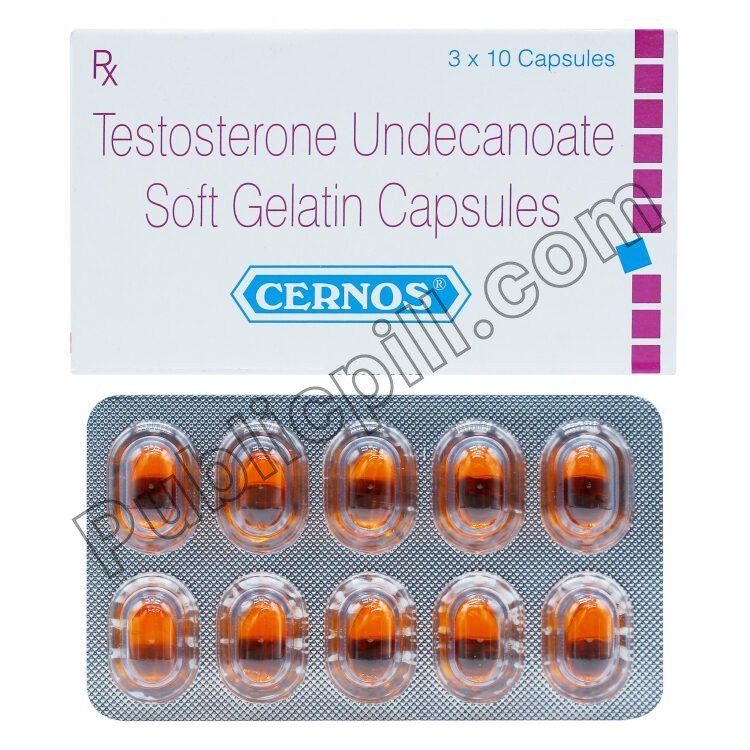

Potential Benefits of Testosterone Gel:
When prescribed for men with confirmed testosterone deficiency, testosterone gel may provide several health benefits by restoring testosterone levels toward the appropriate range. Potential benefits include:
- Supports body composition: Testosterone treatment may help increase lean body mass and support a healthier balance between muscle and body fat, particularly when low Libido call testosterone is contributing to these changes.
- May improve sexual function: Restoring testosterone levels may help improve reduced sexual desire and may support sexual function in men whose symptoms are related to testosterone deficiency.
- May improve energy and vitality: Men with low testosterone may experience fatigue and reduced physical drive. Testosterone replacement may help improve energy levels and overall sense of vitality in some patients.
- Supports mood and concentration: Low testosterone can be associated with changes in mood, Depression and brain fog, motivation, and concentration. Appropriate testosterone therapy may help improve some of these symptoms when they are related to testosterone deficiency.
- Supports bone health: Testosterone plays an important role in maintaining bone strength. Long-term treatment in men with hypogonadism may help increase bone mineral density, particularly in areas such as the spine and hip.
- Supports red blood cell production: Testosterone stimulates red blood cell production. Testosterone therapy may increase hemoglobin and hematocrit levels in men with testosterone deficiency, although this effect also means that blood counts may need to be monitored during treatment.
Do you know?
Testosterone levels are generally highest in the morning, particularly during the early hours after waking, and may gradually decline throughout the day. For this reason, testosterone testing is often performed in the morning, typically between 7 and 10 a.m., when levels are more likely to be near their daily peak.
Benefits over other TRT methods
Advantages of Testosterone Gel Compared With Other TRT Methods
Testosterone gel is one option for testosterone replacement therapy (TRT). Depending on the individual and the prescribed product, it may offer some practical advantages compared with injections, transdermal patches, or other testosterone formulations.
- Convenient, needle-free application: Testosterone gel is applied to the skin, making it an alternative for men who prefer to avoid injections. It is generally used once daily according to the product’s prescribing instructions.
- More consistent testosterone delivery: Daily topical application can provide relatively steady testosterone absorption throughout the treatment period. In contrast, more consistent some injectable testosterone regimens can produce higher and lower testosterone concentrations between doses.
- No adhesive patch: Unlike testosterone patches, gels do not require an adhesive to remain attached to the skin. This may be preferable for people who experience irritation or discomfort from patch adhesives. However, topical gels can still cause skin reactions in some users.
- Avoids first-pass liver metabolism: Testosterone delivered through the skin enters systemic circulation without undergoing the same first-pass metabolism associated with oral administration. This is one reason transdermal testosterone is used as an alternative to certain older oral testosterone formulations. However, testosterone gel can still have systemic side effects and requires appropriate medical monitoring.
Important Safety Warning
Testosterone gel can be transferred to another person through direct skin-to-skin contact with the application site. Accidental exposure can be particularly harmful to women and children. Exposure in women, including during pregnancy, may cause androgenic effects and potentially affect fetal development.
Timeline of Testosterone gel benefits
How Long Does Testosterone Therapy Take to Work?
Testosterone therapy does not produce all of its effects immediately. Different benefits may develop at different times, and the response can vary appear on factors such as baseline testosterone levels, age, overall health, treatment adherence, and the specific testosterone formulation being used.
A general timeline may look like this:
| Approximate Timeline | Potential Changes |
|---|---|
| First few days | Testosterone levels begin to respond to treatment, depending on the formulation and dosing schedule. |
| 3–6 weeks | Some men may begin noticing changes in sexual interest, mood, or general well-being. |
| 3–4 months | Changes in body composition, including lean body mass, may become more noticeable with continued treatment. |
| 6 months or longer | Improvements in certain aspects of bone health and other longer-term effects may become more apparent. |
These timeframes are only general estimates. Some symptoms may improve earlier, while other changes can take several months or longer. The response also depends on whether testosterone deficiency is the underlying cause of the symptoms.
If symptoms do not improve as expected, a healthcare professional may review testosterone levels, treatment adherence, application technique, dosage, and other possible medical causes. Testosterone therapy should be used only after appropriate medical evaluation and under the supervision of a qualified healthcare professional.
Key points to consider when using Testosterone gel
Testosterone Gel: Side Effects and Important Precautions
Like other prescription medicines, topical testosterone can cause side effects and may not be appropriate for everyone. It should be used only after a healthcare professional has confirmed testosterone deficiency and determined that treatment is appropriate. Keep the following precautions in mind:
- Prescription use: Testosterone gel should be used only as prescribed for medically confirmed Low Testosterone Levels. It should not be used for bodybuilding, athletic performance, or other non-medical purposes. Possible side effects include acne, skin irritation, headache, mood changes, and changes in blood counts.
- Regular monitoring: Follow-up appointments and blood tests may be needed to monitor testosterone levels, hemoglobin, and hematocrit. Your healthcare professional may also monitor other parameters depending on your age, medical history, and treatment response.
- Fertility considerations: Testosterone therapy can suppress the body’s natural hormone signals that stimulate sperm production. As a result, sperm production and fertility may decrease during treatment. Men who are planning to have children should discuss this with a healthcare professional before starting therapy.
- Risk of transfer: Testosterone gel can transfer to another person through direct contact with the application site. Women and children can experience unwanted androgenic effects following accidental exposure. Wash your hands thoroughly after application, allow the gel to dry as directed, and keep the application area covered when recommended by the product instructions.
- Drug interactions: Testosterone may interact with certain medicines, including anticoagulants such as warfarin, insulin and some diabetes medicines, and corticosteroids. These interactions can affect blood clotting, blood glucose levels, or fluid retention. Tell your healthcare professional about all prescription medicines, over-the-counter products, and supplements you use.
- Existing health conditions: Testosterone therapy may not be suitable for men with certain medical conditions, including prostate or male breast cancer. Additional caution and medical monitoring may be necessary in people with cardiovascular disease, a history of blood clots, sleep apnea, or benign prostatic hyperplasia (BPH). Your healthcare professional can determine whether testosterone treatment is appropriate based on your individual medical history.
Conclusion
Testosterone Gel: Benefits, Effectiveness, and Safety
Testosterone is an important hormone involved in male sexual development, reproductive function, muscle maintenance, bone health, and overall well-being. When testosterone levels are consistently below the normal range, a condition known as hypogonadism may occur. It can be associated with symptoms such as reduced libido, erectile difficulties, fatigue, and changes in mood or motivation.
Testosterone gel is one form of testosterone replacement therapy (TRT) used to restore testosterone levels in men with confirmed testosterone deficiency. Potential benefits may include improvements in sexual desire, energy, lean body mass, mood, and certain aspects of bone health. Testosterone treatment may also support red blood cell production, although excessive increases in red blood cell counts can require medical monitoring.
Compared with some injectable or patch-based TRT options, testosterone gel provides a needle-free method of administration and can provide relatively consistent testosterone exposure when used daily as prescribed. However, individual responses vary, and topical treatment can still cause skin reactions or other systemic side effects.
The timing of benefits also differs between individuals. Some changes, such as improvements in sexual interest or well-being, may become noticeable within several weeks, while changes in body composition and bone density generally take longer. Testosterone levels themselves can begin responding relatively quickly after treatment, but reaching and maintaining an appropriate level depends on the specific product, dose, application, and individual response.
Because testosterone therapy can affect fertility, blood counts, prostate-related health, and other body systems, regular medical monitoring is important. Testosterone gel can also transfer to other people through skin contact and may interact with medicines such as anticoagulants, diabetes medications, and corticosteroids. It should therefore be used only under appropriate medical supervision, particularly in men with prostate-related conditions, cardiovascular concerns, or other significant health conditions.
Frequently Asked Questions About Testosterone Gel
What are the benefits of testosterone gel for women?
Testosterone gel may be used in selected women under specialist medical supervision, particularly in some postmenopausal women with Hypoactive Sexual Desire Disorder. Potential benefits may include improved sexual desire and sexual well-being. However, testosterone therapy is not routinely appropriate for all women, and treatment should be individualized. Excess testosterone exposure can cause androgenic effects such as acne, increased facial or body hair, and voice changes.
Does testosterone gel treat erectile dysfunction?
Testosterone gel may help improve erectile function in men whose ED is associated with clinically confirmed testosterone deficiency. However, testosterone is not a general first-line treatment for erectile dysfunction. ED Medications can have many causes, including vascular, neurological, medication-related, and psychological factors, and treatment depends on the underlying cause.
Can testosterone therapy increase PSA levels?
Testosterone therapy can cause a small increase in prostate-specific antigen (PSA) levels in some men, particularly older men. An increase in PSA does not by itself mean that prostate cancer is present. PSA and prostate health may be monitored before and during treatment, particularly in men who have risk factors or existing prostate concerns.
Does testosterone help reduce belly fat?
In men with confirmed hypogonadism, testosterone treatment may contribute to improvements in body composition, including reductions in fat mass and waist circumference. However, testosterone therapy is not a weight-loss medicine or fat-burning treatment. Changes in diet, physical activity, sleep, and other health factors remain important for managing abdominal fat.
What happens if I take testosterone when I don’t need it?
Using testosterone when it is not medically indicated can expose you to unnecessary risks. Possible effects include acne, increased red blood cell counts, reduced sperm production and fertility, breast enlargement, fluid retention, and worsening of certain sleep or prostate-related problems. Testosterone can also affect cholesterol and cardiovascular risk factors in some individuals. It should therefore be used only after appropriate medical evaluation and with ongoing monitoring.
Citations
References and Sources
At PublicPill, we aim to support our health content with information from credible and authoritative medical and scientific sources. The following references were used to support the information discussed in this article:
- PubMed Central (PMC): Research on age-related changes in testosterone levels and the decline in total and free testosterone with age.
- Oxford Academic – Journal of Clinical Endocrinology & Metabolism: Published research and clinical information related to testosterone levels and male hypogonadism.
For additional information about how our health content is researched, reviewed, and maintained, readers can also refer to the Content Information Policy.