
No products in the cart.
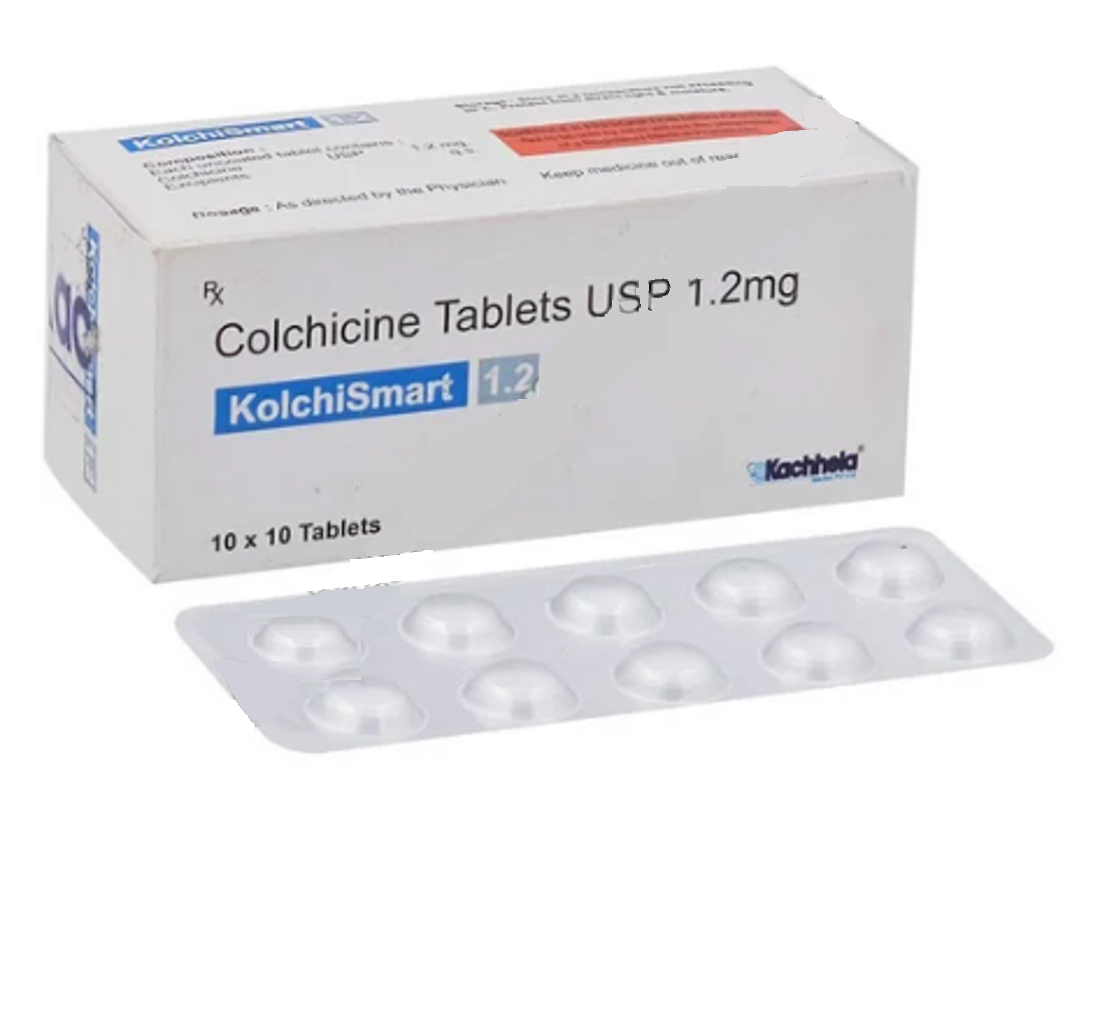
Colchicine 1.2 mg Tablet
Additional Information :-
| Brand Name | Kolchismart 1.2 |
|---|---|
| Composition | Colchicine 1.2mg |
| Use For | Pain killer |
| Packaging | 10 Tablets in 1 Strip |
| Manufacturer | Kachhela Pharmaceuticals |
Colchicine 1.2 mg Tablet Introductions
Colchicine 1.2 mg Tablet has been a staple in treating certain medical conditions for centuries, yet not everyone is familiar with its importance. If you’re looking into this specific medication, you likely have some pressing questions: What does Colchicine do? How does a 1.2 mg dose affect the body? Is it safe to take regularly? These are important concerns, and today, we’re diving deep into this medication to shed some light on its uses, benefits, and possible side effects.
What is Colchicine and Why is it Prescribed?
Colchicine is a unique drug that primarily treats and prevents gout, a form of arthritis caused by the buildup of uric acid crystals in the joints. Though it might not be the most common medication, its ability to provide targeted relief has made it indispensable for those suffering from painful gout flare-ups. It is also used to manage other inflammatory conditions such as familial Mediterranean fever (FMF) and pericarditis.
The 1.2 mg dose of Colchicine is often a starting point for acute gout attacks, typically followed by a smaller maintenance dose to keep future flare-ups at bay. What makes Colchicine stand out is how it inhibits white blood cell movement toward the inflamed area, helping reduce swelling and pain.
How Does Colchicine 1.2 mg Work?
Understanding how Colchicine works starts with its interaction with the body’s immune system. When you have a gout flare-up, your body perceives the uric acid crystals as foreign invaders, prompting an immune response. White blood cells rush to the site of inflammation, intensifying the swelling and pain.
Colchicine interrupts this process by preventing white blood cells from reaching the affected area, thus stopping the immune system from overreacting. It’s important to note that while Colchicine addresses the symptoms of inflammation, it does not lower uric acid levels in the blood. That’s why it is typically paired with other medications, like allopurinol, to target the root cause of gout.
Proper Dosage and Administration of Colchicine
When prescribed Colchicine 1.2 mg, following the dosage instructions is critical. A typical regimen for an acute gout attack involves taking an initial 1.2 mg dose (usually two 0.6 mg tablets) followed by a smaller 0.6 mg dose after an hour, if needed. This carefully calculated dosage helps strike a balance between efficacy and safety.
For long-term prevention, doctors may recommend lower doses on a daily or weekly basis. But Colchicine is not a “take-as-you-feel” kind of medication—overdosing can be dangerous. As always, sticking to the prescribed dosage and consulting your physician about any concerns is key.
Possible Side Effects and Considerations
Like any medication, Colchicine comes with potential side effects. The most common ones include:
- Gastrointestinal issues: Nausea, vomiting, and diarrhea are frequent complaints, particularly if you take too much at once. Staying hydrated and taking Colchicine with food may mitigate some of these symptoms.
- Muscle pain or weakness: In rare cases, some people experience muscle-related issues, which should be promptly reported to a healthcare provider.
- Blood-related effects: Long-term use can sometimes lead to a decrease in white blood cells or platelets, which can compromise the immune system. Regular monitoring is essential if you are on this medication for extended periods.
Moreover, certain people should avoid Colchicine or take it with extreme caution, particularly those with liver or kidney problems. Always provide your healthcare provider with your full medical history to ensure Colchicine is safe for you.
Who Should and Shouldn’t Use Colchicine 1.2 mg?
Not everyone is an ideal candidate for Colchicine 0.5 mg. The drug is generally well-tolerated by those with a clean bill of health, but there are some important exceptions. People with liver or kidney disease must exercise caution, as Colchicine is metabolized in the liver and excreted through the kidneys. In cases of organ dysfunction, the drug may build up to toxic levels in the body.
Pregnant or breastfeeding women should also avoid Colchicine unless specifically advised by their doctor, as its safety in these populations has not been thoroughly established.
If you’re taking other medications, you’ll want to inform your healthcare provider, as Colchicine can interact with drugs such as statins (used for cholesterol), certain antibiotics, and other medications metabolized by the liver. These interactions may amplify Colchicine’s effects or increase the risk of side effects.
Colchicine and Gout: A Lifelong Relationship?
For many, managing gout becomes a lifelong task. Colchicine can be an effective tool in the fight against recurrent gout attacks, but it’s not a standalone cure. Patients often ask: “Can I stop taking Colchicine once I feel better?” The answer depends on your individual case. While Colchicine is incredibly effective during acute flare-ups, it’s usually part of a larger treatment plan that includes lifestyle adjustments and other medications.
This is where things get a little tricky: Colchicine may control symptoms, but lifestyle changes—such as reducing alcohol intake, maintaining a healthy weight, and managing high blood pressure—are equally important in keeping gout at bay. Your doctor may suggest combining Colchicine with other drugs, like uric acid-lowering agents, to ensure long-term management.
Conclusion: Is Colchicine 1.2 mg Right for You?
So, where does this leave you? Is Colchicine the magic bullet for managing gout or other inflammatory conditions? In many cases, yes—it offers quick relief from painful gout flare-ups and helps prevent future ones. But like any medication, it works best when used in conjunction with a holistic approach to health, including proper diet, regular exercise, and managing underlying conditions.
It’s crucial to weigh the benefits and risks with your healthcare provider. While Colchicine 1.2 mg can be a game-changer for those suffering from gout or other inflammatory diseases, the proper balance of medication, lifestyle changes, and regular monitoring ensures that you’re getting the most out of your treatment.
| Pack Size: | 30 Tablets, 60 Tablets, 90 Tablets, 120 Tablets, 240 Tablets |
|---|
Be the first to review “Colchicine 1.2 mg Tablet”
You must be logged in to post a review.
Related Products
Ketorol 10 Mg
Price range: $18.00 through $54.00
brufen 400 mg (Ibuprofen 400mg)
Price range: $24.00 through $154.00
Buy Sumitop 25 Mg Tablet (Sumatriptan)
Price range: $111.00 through $285.00
Buy Cataflam 25mg tablet (Diclofenac)
Price range: $48.00 through $84.00





There are no reviews yet.