
No products in the cart.
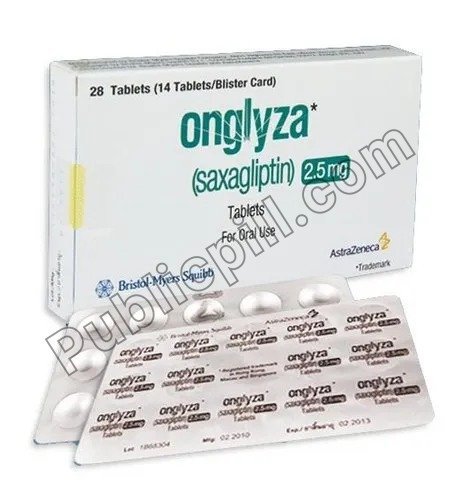
Onglyza 2.5 mg Tablet (Saxagliptin)
Additional Information:
Buy Saxagliptin 2.5 mg Online, which is Diabetes Care medication, and it contains Saxagliptin. Onglyza 2.5 mg is a medicine used to treat type 2 diabetes mellitus. Saxagliptin 2.5 mg is used together with a healthy diet and regular exercise to control blood sugar levels.
| Generic Brand | Onglyza 2.5mg Tablet |
|---|---|
| Composition | Saxagliptin 2.5mg |
| Use For | Diabetes Care |
| Packaging | 14 Tablets in 1 Strip |
| Manufacturer | Astrazeneca |
Buy Saxagliptin 2.5 mg Online, which is a prescribed medication for people with type 2 diabetes. The Onglyza 2.5 mg Tablet active component present in the medicine is Saxagliptin which works by regulating the levels of insulin produced by the body after eating. Onglyza 2.5 mg is used in combination with a healthy diet and exercise to control blood sugar levels.
How to Use Onglyza 2.5 mg?
Saxagliptin Tablet is available in tablet form for oral consumption. Swallow Onglyza 2.5 mg as a whole with or without food. It is recommended not to split, cut, or chew the tablet before consumption. Take Onglyza dosage as directed by the doctor and do not miss or take more than the recommended dosage. If one misses the dose, take it as soon as one remembers.
Side Effects of Saxagliptin 2.5mg:
Saxagliptin 2.5 mg cause certain side effects such as headache, inflammation of the throat and nasal passages, urinary tract infection, hypoglycemia, and upper respiratory tract infection. If any of these symptoms persist for several days, immediately seek medical attention.
Other Available Substitutes:
Onglyza 5mg Tablet
FAQS:
How does Onglyza 2.5 work?
Onglyza 2.5 works by inhibiting the enzyme DPP-4, which helps regulate blood sugar levels. By inhibiting DPP-4, it increases the levels of incretin hormones such as GLP-1 (glucagon-like peptide-1) and GIP (glucose-dependent insulinotropic peptide), which help stimulate the release of insulin and reduce the production of glucose by the liver.
Can Onglyza 2.5 cause low blood sugar (hypoglycemia)?
Onglyza 2.5 is less likely to cause low blood sugar (hypoglycemia) when used alone. However, when used in combination with certain other anti-diabetic medications (such as sulfonylureas or insulin), it may increase the risk of hypoglycemia. It’s important to monitor your blood sugar levels and consult with your healthcare provider for personalized guidance.
Can Onglyza 2.5 be used during pregnancy or breastfeeding?
Onglyza 2.5 should be used with caution during pregnancy or breastfeeding. The potential risks and benefits should be evaluated, and it’s important to discuss your specific situation with your healthcare provider.
| Pack Size : | 30 Tablets – USD $1.07/ Tablet, 60 Tablets – USD $0.99/ Tablet, 90 Tablets – USD $0.91/ Tablet, 120 Tablets – USD $0.85/ Tablet, 240 Tablets – USD $0.80/ Tablet |
|---|
Be the first to review “Onglyza 2.5 mg Tablet (Saxagliptin)”
You must be logged in to post a review.
Related Products
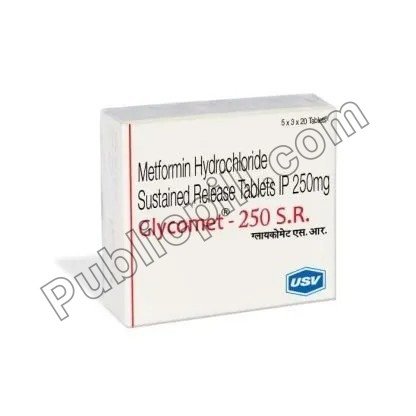
Glycomet 250mg Tablet (Metformin Hcl)
Price range: $4.00 through $24.00
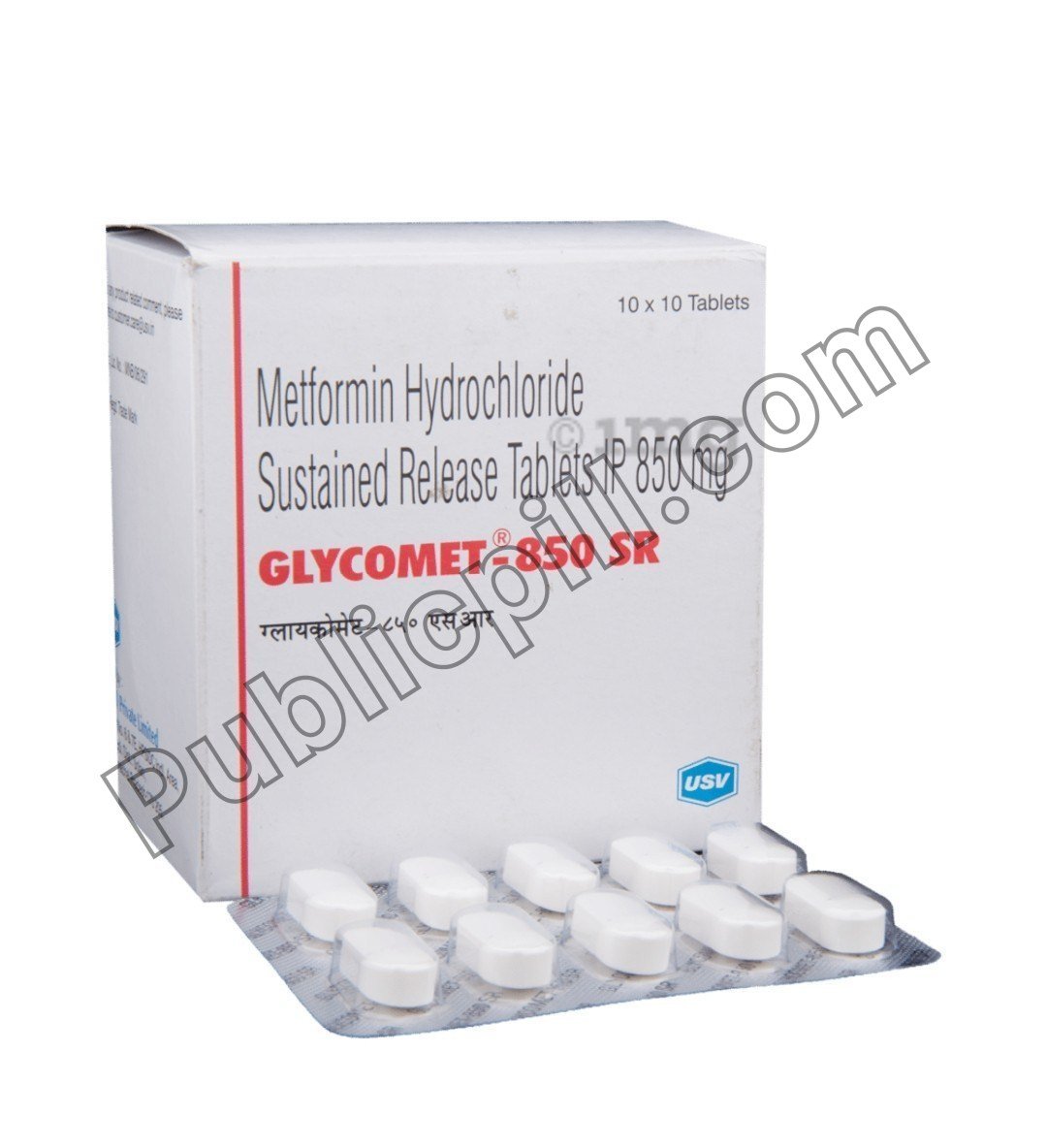
Glycomet 850mg Tablet (Metformin Hcl)
Price range: $24.00 through $156.00
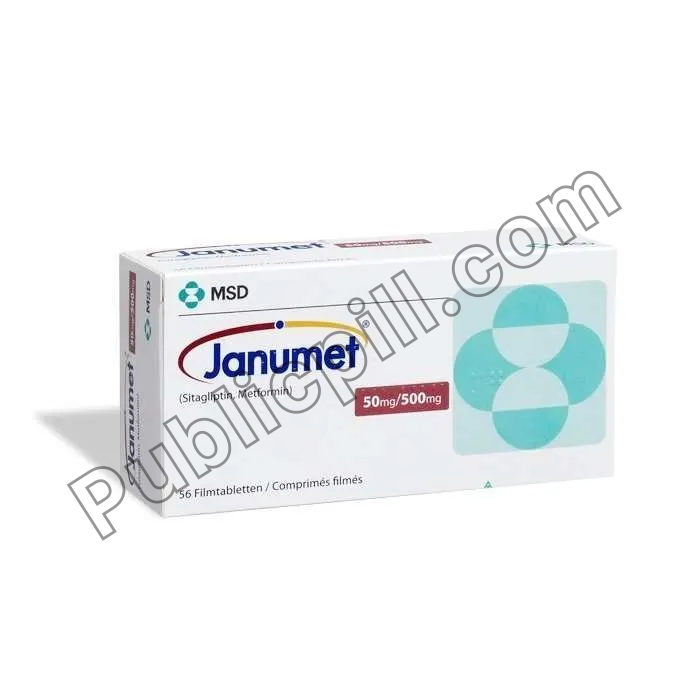
Janumet 50mg/500mg Tablet (Sitagliptin/Metformin)
Price range: $22.00 through $132.00
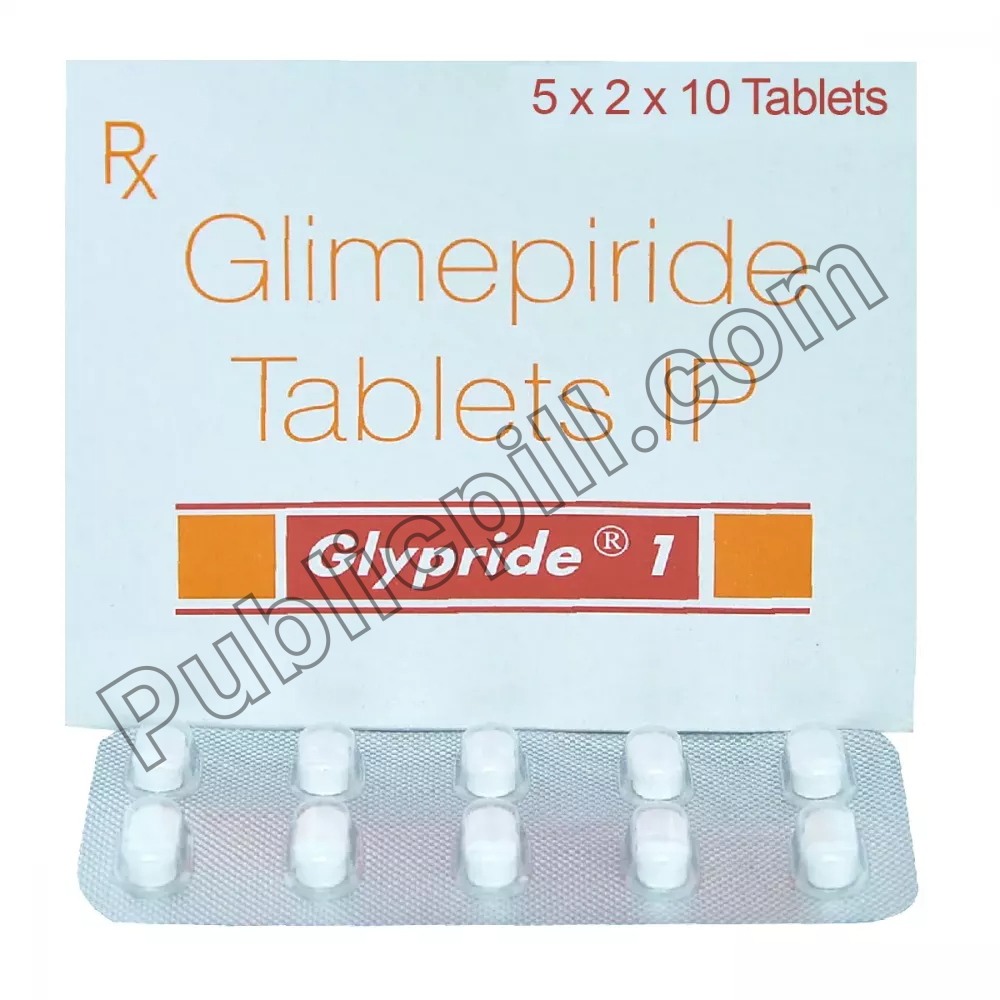
Glypride 1mg Tablet (Glimepiride)
Price range: $7.00 through $42.00





There are no reviews yet.