
No products in the cart.
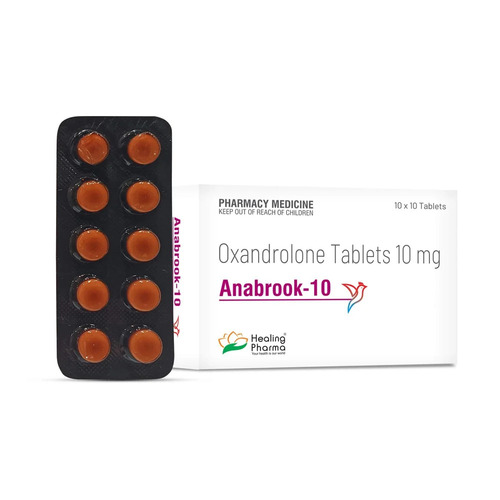
oxandrolone 10 mg 100 tablet
oxandrolone 10 mg 100-tablets is a synthetic oral anabolic steroid derivative of dihydrotestosterone (DHT). It is primarily prescribed as an adjunctive medical therapy to promote weight gain after severe trauma, major surgery, chronic infections, or muscle-wasting conditions, and to counteract protein catabolism from long-term corticosteroid use.
Oxandrolone 10 mg (100 Tablets): Overview, Prescribed Uses, and Guidelines
1. What is oxandrolone 10 mg 100 tablet?
oxandrolone 10 mg (originally marketed under the brand name Anavar) is an oral synthetic derivative of dihydrotestosterone (DHT). It features a unique structural modification: the carbon-2 atom in the A-ring is replaced with an oxygen atom (an oxa-substitution), combined with a methyl group addition at the 17α position (C17α-alkylation).
This chemical structure allows the drug to resist first-pass hepatic degradation when taken orally while drastically lowering its androgenic potency relative to its tissue-building (anabolic) properties.
In medical settings, oxandrolone 10 mg 100 tablet is frequently supplied in standard 10 mg tablet strength, packaged in 100-tablet bottle configurations for multidose therapeutic regimens.
2. Key Pharmacological Properties
Unlike conventional androgenic anabolic steroids (such as testosterone enanthate or methandrostenolone), Oxandrolone possesses a highly distinct biochemical profile:
High Anabolic Index: Demonstrates an anabolic-to-androgenic ratio between 322:24 and 630:24 relative to methyltestosterone.
Non-Aromatizing: Does not serve as a substrate for the aromatase enzyme, meaning it cannot convert into estradiol (estrogen). Fluid retention, gynecomastia, and hypertension linked to estrogenic pathways do not occur.
Minimal 5α-Reduction: Because it is already a 5α-reduced DHT derivative, it does not undergo further conversion via 5α-reductase into more potent systemic androgenic metabolites.
Elimination Half-Life: Approximately 9.4 to 10.4 hours in adult patients.
3. FDA-Approved Medical Indications
Oxandrolone 10 mg is indicated as an adjunctive therapeutic agent in clinical scenarios where severe weight loss, protein catabolism, or tissue wasting threatens recovery:
Adjunctive Weight Restoration: Prescribed to assist weight re-gain following extensive surgical procedures, severe physical trauma, chronic infectious diseases, or prolonged illness.
Corticosteroid-Induced Muscle Catabolism: Counteracting muscle tissue wasting associated with long-term administration of systemic glucocorticoids (e.g., prednisone).
Osteoporosis Bone Pain Relief: Serving as an adjunct to relieve bone pain associated with severe bone density loss.
Severe Thermal Injuries (Burns): Used extensively in pediatric and adult burn care units to preserve lean body mass, improve wound healing timelines, and reduce overall catabolic stress.
4. Prescribed Dosage & Clinical Administration
Dosages are determined solely by the treating physician based on body weight, clinical status, and treatment response.
5. Side Effects & Clinical Safety Precautions
While considered less androgenic than traditional compounds, Oxandrolone carries notable clinical risks:
Hepatic Toxicity (C17α-Alkylation)
Because of its structural C17α-alkylation, continuous usage places strain on the liver. Periodic evaluation of serum liver enzymes (ALT, AST, Serum Bilirubin, Alkaline Phosphatase) is required during treatment.
Serum Lipid Disruption
Oxandrolone induces changes in serum lipid profiles. It commonly depresses High-Density Lipoproteins (HDL) while raising Low-Density Lipoproteins (LDL), increasing long-term cardiovascular risk if unmonitored.
HPG Axis Suppression
In natural biological systems, exogenous oral androgen administration initiates negative feedback on the hypothalamic-pituitary-gonadal (HPG) axis, leading to temporary reductions in endogenous Luteinizing Hormone (LH) and natural testosterone secretion.
6. Storage & Regulatory Status
Storage Parameters: Store at controlled room temperature ( to / to ). Keep bottle tightly closed and protected from excess humidity.
Controlled Substance Classification: oxandrolone 10 mg is classified as a Schedule III Controlled Substance under the U.S. Controlled Substances Act and is tightly regulated internationally. only allowed you Purchase to publicpill.com or possession without a legitimate medical prescription is unlawful.
| pack size | 30 Tablets – USD $1.20 Per Tablet, 60 Tablets – USD $1.10 Per Tablet, 90 Tablets – USD $1.00 Per Tablet, 120 Tablets – USD $0.90 Per Tablet, 240 Tablets – USD $0.80 Per Tablet |
|---|
Be the first to review “oxandrolone 10 mg 100 tablet”
You must be logged in to post a review.
Related Products
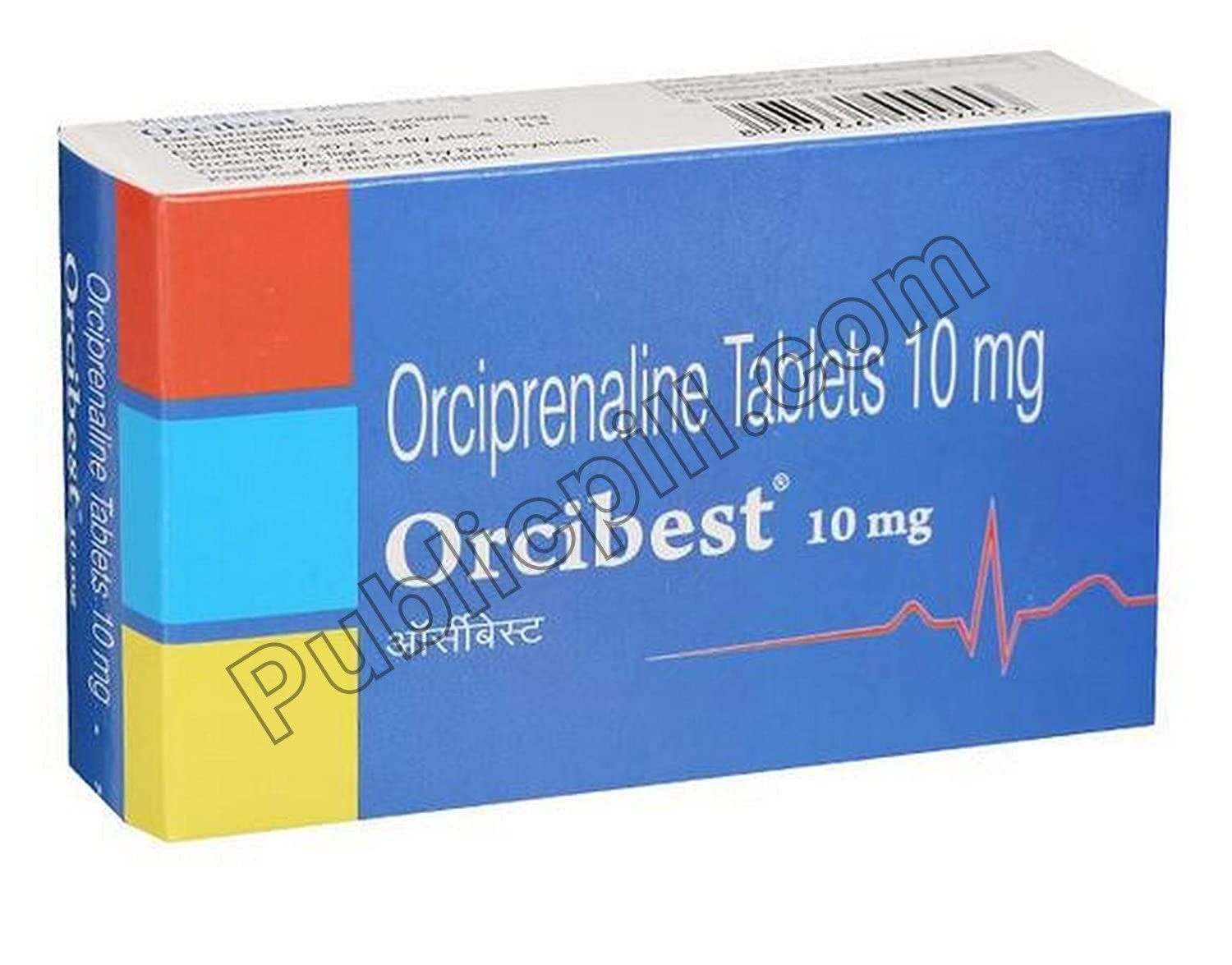
Buy Orcibest 10 Mg (Orciprenaline)
Price range: $6.00 through $15.00
Buy Budecort 0.5 mg (Budesonide)
Price range: $24.00 through $69.00
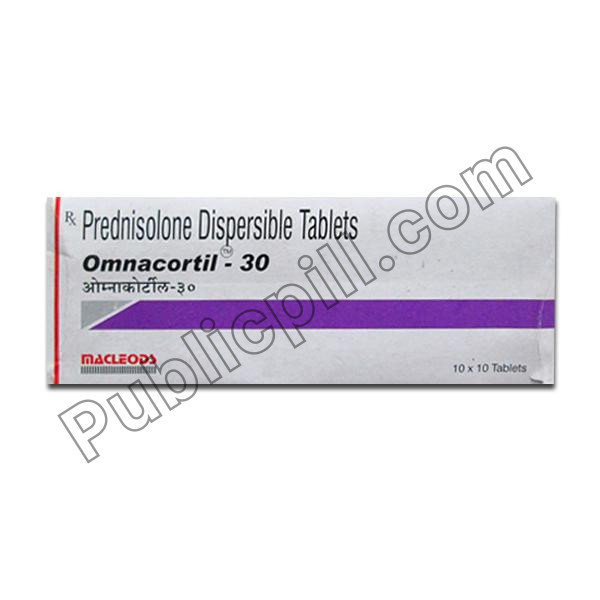
Buy Omnacortil 30Mg (Prednisolone)
Price range: $36.00 through $68.00
Buy Hiflo Rotacaps 250 Mcg (Salmeterol/Fluticasone)
Price range: $7.00 through $18.00




There are no reviews yet.