
No products in the cart.
Sugar Level Control: How To Take Control Immediately
Blood sugar levels play a crucial role in determining overall health for both men and women, especially as they reach their 50s. At this stage of life, even small fluctuations in blood sugar can lead to significant disruptions in daily life and well-being. Yet, many people are unaware of when to be concerned about their blood sugar readings.
Ideally, blood sugar should not exceed 250 mg/dl and should never drop below 70 mg/dl. Levels outside this range can pose serious health risks, so it’s essential to monitor and manage your sugar levels carefully. Paying close attention to your diet, lifestyle, and regular check-ups can help maintain balanced blood sugar and protect long-term health.
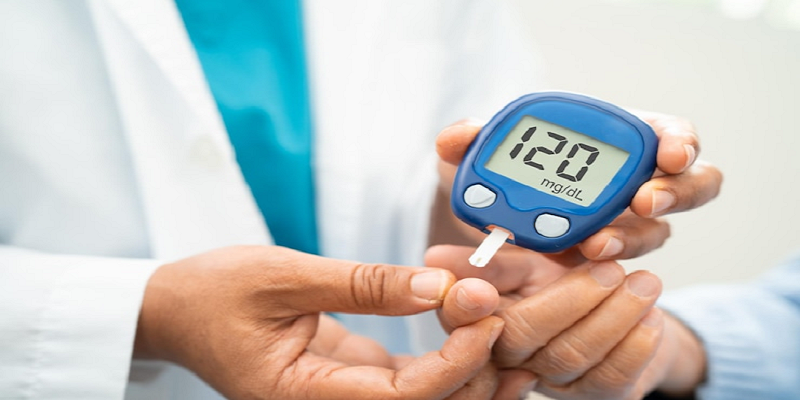 Sugar Level Control How To Take Control Immediately
In this article, we will carefully guide you on how to react when your blood sugar either rises unexpectedly or drops to a dangerously low level. We’ll not only explain the immediate steps you can take to manage these fluctuations but also share practical daily habits and lifestyle practices that can help you maintain stable blood sugar over the long term.
Additionally, we’ll highlight the potential health risks and complications that can arise if high or low blood sugar levels are ignored, so you can be fully aware and proactive. By staying with us until the end of this article, you’ll gain a clear and precise understanding of how to monitor, manage, and protect your blood sugar—for your own health and the well-being of your family and loved ones.
Why To Be Careful With Blood Sugar Level Control?
As we mentioned earlier, blood sugar levels are a key factor in maintaining your overall health. High blood sugar, in particular, can lead to several serious health issues if not managed properly. Some of the risks include:
Nerve damage – Prolonged high sugar levels can harm your nerves, leading to pain, tingling, or numbness in your hands and feet. In some cases, it may even contribute to cognitive problems like dementia over time.
Complications during surgeries – Elevated blood sugar can interfere with healing and increase the risk of infections during and after surgical procedures.
Vision problems – Chronic high sugar levels can damage the blood vessels in your eyes, potentially causing vision loss or diabetic retinopathy.
Type 2 diabetes – If high blood sugar persists over a long period, it can lead to the development of type 2 diabetes, which brings its own set of long-term health challenges.
By understanding these risks, you can take proactive steps to keep your blood sugar in a healthy range and protect your overall well-being.
For low blood sugar:
Low blood sugar, or hypoglycemia, can be just as dangerous as high sugar levels. Some of the serious risks include:
Heart or stroke risks – A sudden drop in blood sugar can put immense stress on your heart and brain, increasing the risk of a heart attack or stroke.
Fainting and dizziness – When glucose levels fall sharply, it can lead to lightheadedness, confusion, or even fainting, making daily activities unsafe.
Severe complications – Extreme fluctuations in sugar levels may require hospitalization. In rare cases, it can trigger a cerebral attack or even become life-threatening if not addressed promptly.
⚠️ Important Note:
If your blood sugar rises above 250 mg/dL or you start feeling unwell, seek medical attention immediately. Timely intervention can prevent serious complications and protect your health.
How To Be Careful With Your Sugar Level Control?
Controlling High Blood Sugar:
Managing high blood sugar requires a consistent lifestyle routine tailored to your needs. Here are some key practices to keep your sugar levels control:
Regular exercise and weight management – Staying active and maintaining a healthy weight can significantly improve your blood sugar levels and overall health. Even moderate activities like walking, yoga, or swimming can make a big difference.
Follow a personalized diet plan – Consult a qualified nutritionist and stick to a diet plan designed specifically for you. Eating balanced meals with controlled portions helps prevent sugar spikes.
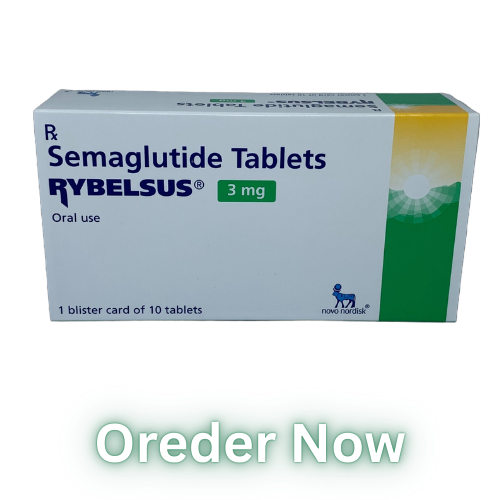
Medications when needed – Your doctor may recommend medications like Rybelsus 3 mg, which can help manage both weight and blood Sugar Level Control effectively. Always take medicines as prescribed.
Monitor your sugar levels regularly – Keep a glucometer or other monitoring devices handy so you can track your blood sugar throughout the day and detect fluctuations early.
Avoid high-calorie and fatty foods – Limit your intake of sugary, fried, or processed foods, as they can trigger sudden sugar spikes and weight gain.
Manage stress and anxiety – Chronic stress is a major contributor to type 2 diabetes. Practice relaxation techniques, meditation, or hobbies that help you stay calm and balanced.
By following these steps consistently, you can maintain healthy Sugar Level Control and reduce the risk of long-term complications.
Controlling Low Blood Sugar:
Managing low blood sugar, or hypoglycemia, requires careful attention and a routine designed to keep your Sugar Level Control stable. Here’s what you should do:
Take medications as prescribed – Follow your doctor’s instructions carefully, including any insulin injections if necessary. Never adjust doses on your own.
Keep quick sugar sources handy – Carry hard candies, glucose tablets, or other fast-acting sugar sources with you. Consume them immediately if you notice symptoms of low sugar, such as dizziness, shakiness, or fainting.
Manage stress effectively – High stress can trigger sudden drops in blood sugar. Incorporate relaxation techniques like deep breathing, meditation, or short breaks throughout the day.
Follow a balanced diet – Eating regular, nutritious meals helps maintain steady Sugar Level Control. Avoid skipping meals, and focus on a mix of proteins, complex carbs, and healthy fats.
Exercise wisely – Engage in light physical activity for fitness, but avoid strenuous workouts or heavy labor that can cause your blood sugar to drop suddenly. Take breaks and rest when needed.
Avoid certain foods and drinks – Limit cocoa, caffeine, chocolates, sodas, and other items that do not provide proper glucose support. At the same time, don’t overconsume sugar-rich foods in one go, as that can lead to sudden fluctuations.
By following these practical steps consistently, you can prevent dangerous drops in blood sugar and maintain better overall health.
Diagnosis Of Blood Sugar Level Control
Monitoring Your Blood Sugar and Health
To keep your blood sugar under control, regular testing is crucial. Depending on your health condition, your doctor may ask you for:
Blood tests for lipids and glucose – These can be done both with fasting and without fasting.
Urine tests – Sometimes, urine tests are requested to get additional information about your blood Sugar Level Control.
Eye and nerve check-ups – High blood sugar can affect your vision and nervous system, so regular monitoring of eye Health and neurological health is essential.
Home monitoring devices – Keeping a glucometer or continuous glucose monitoring device at home allows you to track your Sugar Level Control easily and respond quickly to any changes.
Here’s a quick guide to the most common blood sugar tests and what their results mean:
| Test Name | What It Measures | Normal Range | Prediabetes Range | Diabetes Range |
|---|---|---|---|---|
| Fasting Blood Sugar (FBS) | Blood sugar after 8+ hours of fasting | 70–99 mg/dL | 100–125 mg/dL | ≥126 mg/dL |
| Postprandial Blood Sugar (PPBS) | Blood sugar 2 hours after eating | <140 mg/dL | 140–199 mg/dL | ≥200 mg/dL |
| Random Blood Sugar (RBS) | Blood sugar at any time of the day | <140 mg/dL | — | ≥200 mg/dL (with symptoms) |
| HbA1c (Glycated Hemoglobin) | Average blood sugar over 2–3 months | Below 5.7% | 5.7–6.4% | ≥6.5% |
| Oral Glucose Tolerance Test (OGTT) | Blood sugar response after a glucose drink | <140 mg/dL | 140–199 mg/dL | ≥200 mg/dL |
Regular testing helps you understand how your lifestyle, diet, and medications are affecting your blood sugar. It also allows early intervention, which can prevent serious complications in the future.
Treatment Of Blood Sugar
Managing blood sugar can be approached through several effective methods, depending on whether your levels are high or low, your overall health, and your doctor’s recommendations. Treatment is usually a combination of lifestyle changes, medications, and regular monitoring to ensure your sugar stays within a safe range. Common methods include diet management, physical activity, prescribed medications, insulin therapy (if needed), and continuous monitoring to prevent complications.
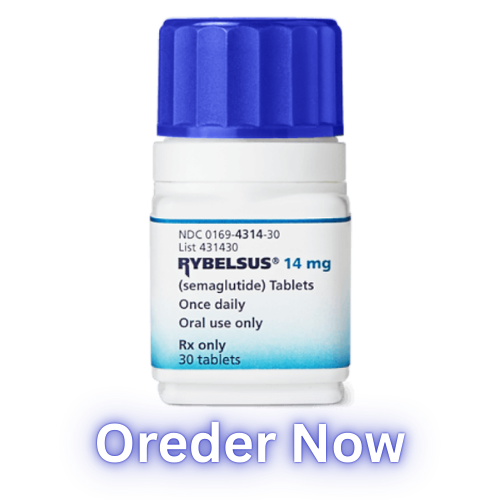
Rybelsus:
 |  |  |
|---|---|---|
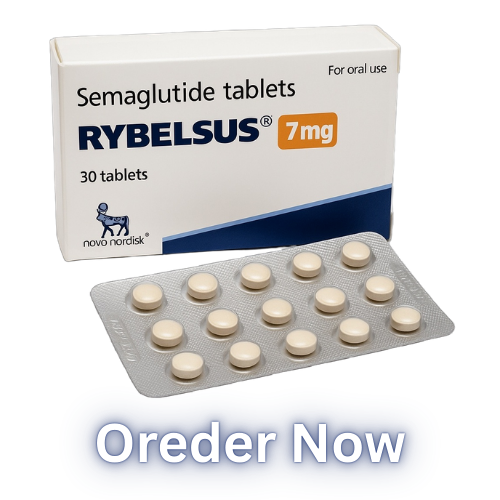
| Rybelsus 3 Mg | Rybelsus 7 Mg | Rybelsus 14 Mg |
Oral Medications:
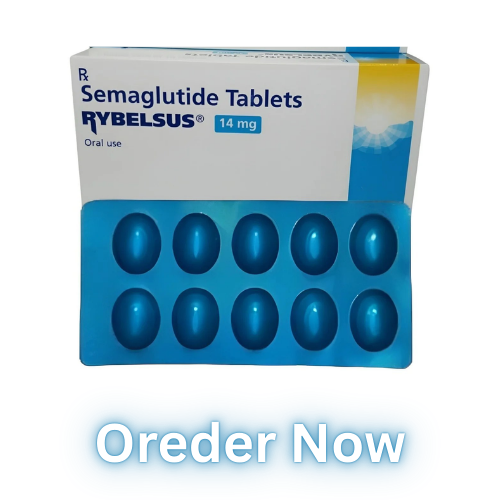
Oral pills like Rybelsus 7 mg can be highly effective in managing blood Sugar Level Control. Along with controlling glucose, they may also support weight management when combined with a balanced diet and regular exercise. However, it’s important to monitor your digestive health while taking these medications, as some individuals may experience stomach discomfort or other digestive issues. Following a healthy lifestyle alongside medication can enhance the effectiveness and help prevent complications.
Insulin Therapy:
For individuals with type 2 diabetes, insulin injections in subcutaneous form are a common and effective treatment. Your doctor will typically recommend insulin if your fasting blood sugar is consistently above 130 mg/dL or your non-fasting Sugar Level Control exceed 180 mg/dL. Regular monitoring of your blood sugar is essential when using insulin, and keeping tools like glucometer pens or continuous glucose monitors at home can help you track your Sugar Level Control and adjust treatment safely..
Other Care To Be Taken:
Managing Low Blood Sugar:
If your blood sugar tends to drop, it’s important to avoid foods and drinks like cocoa, caffeine, soda, or chocolates, as they can cause sudden spikes and crashes. Always carry some hard candies or glucose tablets with you and consume them at the first sign of dizziness or shakiness—never wait until you feel severely unwell.
Pay special attention to your eye health and immune system, as both can be significantly affected by fluctuating blood Sugar Level Control.
If your doctor prescribes Rybelsus 14 mg, make sure to discuss the correct dosage and administration carefully. The medication works best when combined with a structured exercise routine, a balanced diet plan, and regular blood sugar monitoring, ensuring both effectiveness and safety.
FAQs
Q. How To Manage An Attack Of Low Sugar Level Control?
You can manage a low Sugar Level Control with hard candy for instant effect. Avoid caffeine and cocoa for not facing trauma due to low Sugar Level Control.
Q. When Should I Hospitalize A Patient With High Blood Sugar?
An abnormal range of blood sugar must be monitored and requires hospitalization. In most cases, doctors suggest hospitalizing a patient when he/she is facing fluctuation between high and low blood pressure.
Q. When Shall I Take Insulin?
The usual condition to take insulin is above 180 mg/dl in case of non-fasting and above 130 mg/dl while fasting. You can check the data at home using some gadgets, usually available in the form of a pen.
Q. How To Identify That I Am Having High Blood Sugar?
You can identify high blood sugar when you are struggling with obesity, facing issues with your vision, and finding a sweet taste in almost everything you eat.
Q. What Else Do I Need To Do Along With Blood Sugar Medicines?
You need to do regular exercises and control your diet, as directed by a nutritionist, along with medicines for controlling your Blood Sugar Level Control.