
No products in the cart.
Effective Treatments for Under Eye Darkness and Crepey SkinEffective Treatments for Under Eye Darkness and Crepey Skin

Effective Treatments for Under Eye Darkness and Crepey Skin
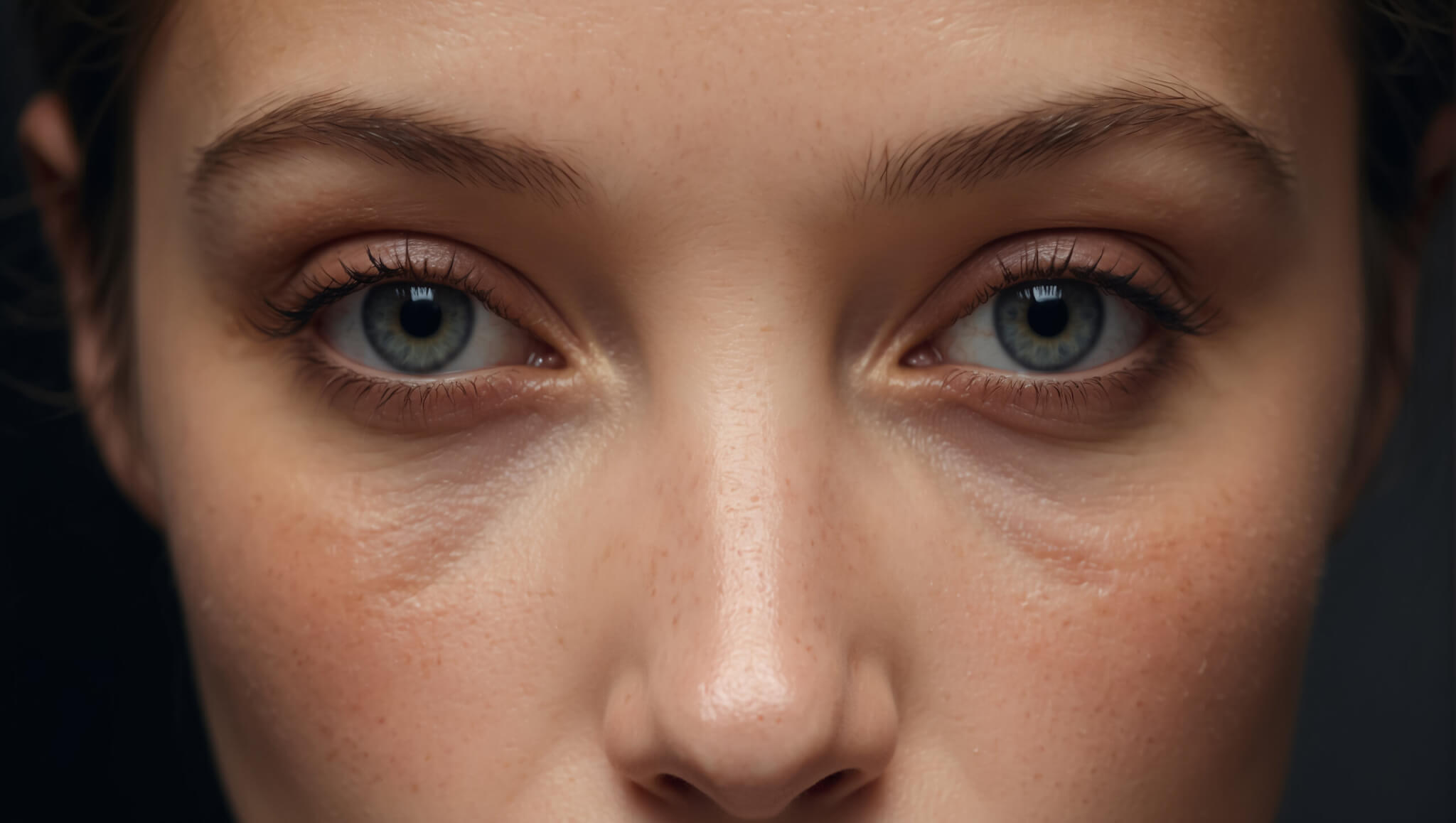
Dark circles call Under Eye Darkness and crepey skin beneath the eyes can make the face appear tired or older than it feels. However, dermatologists can help identify the causes of these concerns and recommend suitable treatments to improve the appearance of the delicate eye area.
According to Dr. Jennifer Sawaya of U.S. Dermatology Partners Scottsdale, the skin around the Under Eye Darkness is particularly vulnerable to visible signs of aging because it is thinner than skin in many other areas of the body. Over time, changes in collagen and elastin, sun exposure, and other environmental factors may contribute to fine lines, uneven skin texture, and under eye darkness.
Maintaining healthy skincare habits, protecting the skin from the sun, and keeping the delicate Under Eye Darkness area moisturized may help support healthier-looking skin. For more noticeable concerns, dermatologists can also recommend professional options based on individual skin needs.
In this guide, we’ll explore the potential causes of dark circles and crepey skin, along with skincare approaches and dermatological treatments that may help improve skin texture, reduce the appearance of under eye darkness, and restore a fresher, more refreshed look.
Understanding Under Eye Darkness and Crepey Skin
Dark circles and crepey skin Under Eye Darkness can develop for several reasons, which generally fall into two categories: intrinsic factors and extrinsic factors. Intrinsic factors include genetics and the natural aging process, while extrinsic factors involve external influences such as prolonged sun exposure, environmental pollution, and everyday lifestyle habits.
As Dr. Jennifer Sawaya explains, although genetics and natural aging cannot be completely controlled, steps can be taken to reduce the impact of certain external factors. Ultraviolet (UV) radiation and environmental pollutants can damage skin cells, contribute to premature skin aging, and increase the risk of skin cancer.
Healthy lifestyle habits are also important for maintaining the skin’s appearance. Drinking enough water, eating a balanced diet, getting adequate sleep, and following a consistent skincare routine can help support overall skin health. Because the skin reflects both internal and external influences, taking care of the body as a whole may help the delicate area around the Under Eye Darkness look healthier.
While these measures cannot eliminate every cause of dark circles or crepey skin, they can help protect the skin and support a smoother, more refreshed appearance over time.
Common Causes of Dark Circles & Crepey Skin Under the Eyes
Dark circles can appear blue, brown, purple, black, or in other shades depending on a person’s skin tone and the underlying cause. They can affect people of any age, gender, or skin type. Although under eye darkness may create a tired or aged appearance, it is often harmless and does not necessarily indicate an underlying health problem.
The skin beneath the eyes is naturally delicate and thinner than skin in many other areas of the face. It contains less supportive fat, has fewer oil glands, and relies on collagen and elastin to maintain its structure and flexibility. These characteristics make the area more susceptible to fine lines, looseness, and a wrinkled texture known as crepey skin. The term describes skin that resembles crepe paper, with a thin, crinkled appearance.
Several factors can contribute to these changes, including the following.
1. Age
As the body ages, collagen and elastin production gradually declines. The skin beneath the eyes may become thinner and less firm, making underlying blood vessels more visible. Changes in facial fat distribution can also create hollows beneath the eyes, producing shadows that make the area appear darker. Reduced skin elasticity may contribute to fine wrinkles and crepey texture.
2. Genetics
Family history can influence skin thickness, pigmentation, facial structure, and the tendency to develop under eye darkness. If dark circles or crepey skin are common among family members, you may be more likely to experience similar concerns. Inherited characteristics can make these changes noticeable even at a younger age.
3. Chronic Skin Conditions
Conditions such as eczema and contact dermatitis can cause inflammation, itching, and irritation around the eyes. Repeated rubbing or scratching may worsen pigmentation and make the skin more vulnerable to irritation. In some cases, inflammatory skin conditions can contribute to persistent discoloration. Managing the underlying condition can help reduce further irritation and skin changes.
4. Lack of Sleep
Insufficient sleep can make dark circles and puffiness more noticeable. When you are tired, changes in blood flow and the appearance of the surrounding skin may accentuate the contrast beneath the Under Eye Darkness. Poor sleep may also leave the skin looking dull and make existing fine lines more prominent, although it is not the only cause of crepey skin.
5. Sun Exposure
Exposure to ultraviolet (UV) radiation can contribute to premature skin aging and uneven pigmentation. Sunlight stimulates melanin production, potentially causing darker patches around the eyes. UV damage can also break down collagen and elastin, gradually contributing to wrinkles, reduced firmness, and a crepey appearance. Wearing broad-spectrum sunscreen and sunglasses can help protect this delicate area.
6. Lifestyle Factors
Everyday habits may also influence the appearance of the skin around the eyes. Frequent eye rubbing can aggravate irritation and contribute to pigmentation, while smoking can accelerate collagen breakdown. Dehydration may make fine lines more noticeable, and ongoing stress, an unbalanced diet, or excessive alcohol consumption may affect overall skin health. Addressing these factors can support healthier-looking skin, although the results depend on the underlying cause.
Understanding the cause is the first step toward choosing an appropriate treatment. Dark circles caused by pigmentation may require a different approach from those related to visible blood vessels, facial hollows, or natural aging. Similarly, crepey skin may respond to consistent skincare and sun protection, while more pronounced changes may benefit from assessment by a dermatologist.
At-Home Treatments for Under Eye Darkness
A consistent at-home skincare routine can help protect the delicate skin beneath the eyes, improve hydration, and reduce the appearance of uneven pigmentation and fine lines. According to Dr. Jennifer Sawaya, consulting a dermatologist can help you identify suitable products and establish a routine that addresses your individual skin concerns.
Although skincare cannot eliminate every cause of dark circles, certain ingredients may help improve skin texture, support collagen, and maintain a more refreshed appearance. The following options can be incorporated into a daily routine, depending on your skin type and sensitivity.
1. Vitamin C
Vitamin C is an antioxidant that helps protect the skin against oxidative damage caused by environmental factors, including UV exposure. It also supports collagen production and may help improve uneven pigmentation by reducing excess melanin formation. With regular use, a suitable vitamin C product may help the skin around the eyes look brighter and more even-toned.
2. Sunscreen
Daily sun protection is essential for preventing premature skin aging and pigmentation. UVA and UVB radiation can contribute to skin discoloration, collagen breakdown, wrinkles, and reduced elasticity. Applying a broad-spectrum sunscreen with SPF 30 or higher to exposed skin can help limit these effects. Choose a product suitable for the eye area, and use sunglasses for additional protection.
3. Hyaluronic Acid
The delicate skin beneath the eyes can become dry, making fine lines and crepey texture more noticeable. Hyaluronic acid is a moisture-binding ingredient that attracts and retains water in the skin, helping it appear softer, smoother, and more hydrated. Eye creams or moisturizers containing hyaluronic acid may provide temporary plumping effects and improve the appearance of dehydration-related lines.
4. Retinol
Retinol is a vitamin A derivative commonly used to address signs of skin aging. It can support skin-cell turnover, encourage collagen production, and gradually improve the appearance of fine lines and uneven pigmentation. However, the skin around the eyes is particularly sensitive, and retinol may cause dryness, redness, or irritation. Use only a product specifically formulated for the eye area, introduce it gradually, and seek professional guidance if you are unsure whether it is appropriate. Retinoids should be avoided during pregnancy unless a qualified healthcare professional advises otherwise.
5. Brightening Eye Treatments
Certain eye creams contain ingredients designed to improve the appearance of dark circles, uneven skin tone, and dryness. However, the best choice depends on whether the under eye darkness is caused by pigmentation, visible blood vessels, facial hollows, or a combination of factors.
One example is Sente Illumine Eye Cream, which is marketed for improving the appearance of under-eye discoloration and supporting skin hydration. Before choosing a brightening product, check its ingredients and suitability for sensitive skin, and consult a dermatologist if the area is easily irritated.
6. Cosmetics and Concealers
Concealers and other cosmetic products can temporarily reduce the visibility of dark circles while longer-term skincare measures take effect. A lightweight, hydrating concealer may help even out the appearance of the skin without emphasizing fine lines. Choose a formula that suits your skin type, remove makeup gently, and avoid rubbing or pulling the delicate under-eye area.
The key to an effective routine is consistency and choosing products that address the underlying cause. Gentle cleansing, regular moisturization, daily sun protection, and appropriate targeted ingredients can support healthier-looking skin. If dark circles persist despite these measures, a dermatologist can help determine whether professional treatment may offer additional benefits.
At-Home Treatments for Crepey Skin
Improving hydration is one of the first steps in caring for crepey skin around the eyes. When the skin becomes dry, fine lines and wrinkles can appear more pronounced, making the area look thinner and less smooth. A gentle moisturizing routine in the morning and evening can help maintain moisture and improve the skin’s appearance.
Dr. Jennifer Sawaya recommends choosing skincare products specifically formulated for the delicate skin around the eyes and following a dermatologist’s guidance when selecting treatments. The following approaches may help improve skin texture and protect against further damage.
1. Keep the Skin Hydrated
Dryness can make crepey skin more noticeable. Applying a gentle, fragrance-free eye moisturizer morning and evening can help maintain the skin’s moisture barrier and improve softness. Ingredients such as hyaluronic acid, glycerin, and ceramides can help attract moisture or reduce water loss, leaving the skin looking smoother and more supple.
2. Choose Suitable Anti-Aging Ingredients
Certain skincare ingredients may help improve the appearance of fine lines and uneven texture over time. Retinol can support collagen production, peptides may help support the skin’s structure, and alpha-hydroxy acids (AHAs) can promote surface exfoliation. However, these ingredients can irritate the sensitive eye area, so choose products designed for this region and introduce active ingredients carefully. A dermatologist can help determine which options are appropriate for your skin.
For additional information, explore these anti-aging skincare treatments.
3. Protect the Skin From Sun Damage
Repeated UV exposure can accelerate collagen breakdown and contribute to wrinkles, pigmentation, and reduced skin elasticity. Apply a broad-spectrum sunscreen with SPF 30 or higher to exposed skin each day, using a formula suitable for the eye area. Wearing sunglasses and seeking shade can provide additional protection.
Consistency is essential when caring for crepey skin. Regular moisturizing, carefully selected skincare ingredients, and daily sun protection can help improve the appearance of the under-eye area. If crepey skin is pronounced or does not improve with at-home care, a dermatologist can assess the cause and discuss suitable professional treatments.
Professional Treatments for Dark Circles & Crepey Skin
When dark circles and crepey skin do not improve with at-home skincare, professional dermatological treatments may offer additional options. The most suitable treatment depends on the underlying cause, such as excess pigmentation, visible blood vessels, collagen loss, or hollows beneath the eyes.
A dermatologist can assess the delicate eye area and recommend an appropriate approach. Common treatment options include the following.
1. Laser Therapy
Laser skin treatments can target several concerns around the eyes, including uneven pigmentation, visible blood vessels, and fine lines. Depending on the laser used, treatment may resurface the skin and stimulate collagen production, helping improve texture and firmness.
Results and recovery times vary according to the device, skin type, and treatment intensity. Because the eye area is particularly sensitive, laser procedures should be performed by a qualified professional with appropriate training in eye protection and laser safety.
2. Chemical Peels
Chemical peels use carefully selected chemical solutions to exfoliate the outer layers of the skin. Certain superficial peels may help improve pigmentation, uneven skin tone, and the appearance of fine lines.
Not every peel is suitable for the under-eye area. Treatment strength and placement must be selected carefully to minimize irritation, burns, and post-inflammatory pigmentation, particularly in darker skin tones.
3. Microneedling
Microneedling involves using fine needles to create controlled micro-injuries in the skin, triggering the body’s healing response and encouraging collagen production. Over time, this process may help improve skin texture and soften the appearance of fine lines.
Microneedling may be considered for selected cases of crepey skin, but its effectiveness for dark circles depends on their cause. Treatment near the eyes requires an experienced professional, and the procedure may not be appropriate for everyone.
4. Dermal Fillers
Dermal fillers may be considered when under eye darkness is partly caused by hollows known as tear troughs. These depressions can create shadows that make the area appear darker or more tired.
Certain fillers can restore volume and soften the transition between the lower eyelid and cheek. However, fillers do not treat every cause of dark circles or directly correct loose skin. The under-eye area carries specific risks, including persistent swelling, visible irregularities, and, rarely, serious vascular complications. Careful assessment by an appropriately qualified clinician is essential.
5. Platelet-Rich Plasma (PRP) Therapy
Platelet-rich plasma (PRP) therapy uses a concentrated portion of a person’s own blood plasma, which contains platelets and growth factors. The preparation is applied or injected according to the treatment protocol, with the aim of supporting tissue repair and improving skin quality.
PRP may help improve selected concerns involving skin texture and fine lines, but evidence for treating under-eye dark circles remains limited, and results can vary. A dermatologist can explain the potential benefits, limitations, and risks before treatment.
6. Blepharoplasty (Eyelid Surgery)
Blepharoplasty is a surgical procedure that removes or repositions excess skin and, in some cases, fat around the eyelids. Lower eyelid surgery may be appropriate when loose skin or under eye darkness contribute to an aged appearance.
The procedure can improve excess skin and contour irregularities, but it may not resolve dark circles caused by pigmentation or visible blood vessels. As with any surgery, potential complications and recovery requirements should be discussed with a qualified oculoplastic or plastic surgeon.
Preventive Measures for Healthy Under Eye Skin
Preventing dark circles and crepey skin starts with understanding what causes them. Factors such as inadequate sleep, sun exposure, dehydration, genetics, and natural aging can all influence the appearance of the delicate skin beneath the eyes. Identifying the main contributing factors can help you choose the right preventive measures.
Dr. Jennifer Sawaya emphasizes the importance of determining the underlying cause and developing a skincare plan suited to individual needs. Although some changes cannot be prevented entirely, healthy daily habits may help protect the skin, maintain hydration, and reduce the appearance of premature aging.
1. Follow a Consistent Skincare Routine
Use a gentle skincare routine in the morning and evening to maintain the skin barrier and reduce dryness. Choose products formulated for the sensitive eye area, and remove eye makeup carefully before going to bed. Avoid rubbing or pulling the skin, as repeated friction can cause irritation and make discoloration more noticeable.
2. Apply Sunscreen Daily
Sun exposure can contribute to pigmentation, collagen breakdown, fine lines, and sagging skin. Apply a broad-spectrum sunscreen with SPF 30 or higher to exposed areas, choosing a formula suitable for use around the eyes. Sunglasses that provide UV protection can offer additional defense against sunlight and help reduce squinting.
3. Stay Properly Hydrated
Drinking enough water supports normal body functions and helps maintain overall skin health. When the skin is dehydrated, fine lines and crepey texture may become more noticeable. Regular fluid intake and appropriate moisturizing can help improve the appearance of dryness, although hydration alone cannot eliminate dark circles caused by genetics or facial structure.
4. Eat a Nutrient-Rich Diet
A balanced diet provides nutrients needed for normal skin maintenance and repair. Include a variety of fruits, vegetables, whole grains, healthy fats, and protein sources to support overall health. Nutrients such as vitamin C, vitamin E, and zinc play important roles in normal skin function. A nutritious diet supports skin health but cannot guarantee the prevention of dark circles.
5. Use Cold Compresses to Reduce Puffiness
A cool compress can temporarily reduce under-eye puffiness by soothing the skin and constricting superficial blood vessels. Apply a clean, cool cloth for a few minutes when needed. Chilled eye creams or cooling rollers may also provide a refreshing sensation.
Avoid placing ice directly on the skin, applying excessive pressure, or using very cold tools for prolonged periods. Cold therapy may temporarily improve puffiness, but it will not correct pigmentation, skin laxity, or hollows beneath the eyes.
6. Get Enough Sleep
Adequate sleep supports the body’s normal recovery and repair processes. Poor sleep can make existing dark circles, puffiness, and fine lines more noticeable. Establish a regular sleep schedule and aim for sufficient rest each night. Most adults generally need around seven to nine hours of sleep, although individual requirements can vary.
7. Elevate Your Head While Sleeping
Fluid accumulation beneath the eyes can contribute to morning puffiness in some people. Slightly elevating your head with an extra pillow or a supportive wedge may help reduce fluid buildup overnight. This approach is most useful when puffiness is related to fluid retention; it will not necessarily improve pigmentation or age-related skin changes.
8. Manage Everyday Stress
Ongoing stress can affect sleep, daily habits, and overall well-being, potentially making skin concerns more noticeable. Establishing healthy ways to manage stress, such as regular physical activity, relaxation techniques, and adequate rest, may support skin health.
For additional guidance, read about maintaining clear skin under stress.
9. Avoid Smoking and Limit Alcohol
Smoking can accelerate skin aging by damaging collagen and elastin and reducing healthy blood flow to the skin. Excessive alcohol consumption may contribute to dehydration and disrupt sleep, potentially making puffiness and tired-looking eyes more noticeable. Avoiding tobacco and limiting alcohol can support overall health and help reduce preventable contributors to premature skin aging.
When to Consult a Dermatologist
A consistent skincare routine and appropriate at-home treatments can help maintain healthy-looking skin and reduce the appearance of dryness, fine lines, and under eye darkness. However, natural aging, genetics, and other factors may still contribute to skin laxity and pigmentation over time. If home remedies and skincare products do not provide the results you want, a dermatologist can assess your skin and recommend suitable treatment options like Isotroin 20mg Capsule (Isotretinoin).
Depending on the underlying cause, professional care may include prescription skincare products, laser treatments, chemical peels, or other procedures designed to improve skin texture, firmness, and tone. A dermatologist can also develop a personalized skincare plan based on your skin type, concerns, and treatment goals.
Warning Signs That Require Medical Attention
Dark circles are usually harmless, but certain changes around the eyes should not be ignored. Seek medical evaluation if you notice:
New or changing spots: Unusual marks or changes in the size, shape, or color of existing spots around the eyes.
Skin tightening: Unexpected thickening or tightening of the skin around the eyelids.
Lumps beneath the skin: New or unexplained knots or lumps around the eye area.
Persistent or significant swelling: Swelling that affects eye movement, interferes with vision, or makes it difficult to open the eye.
Signs of infection: Increasing redness, warmth, pain, discharge, or swelling, particularly when accompanied by fever.
Sudden vision changes, severe eye pain, or rapidly developing swelling require urgent medical assessment.
Keep Your Eyes Bright & Beautiful
Maintaining a consistent skincare routine with products designed for the delicate skin beneath the eyes can help preserve moisture, improve skin texture, and support a brighter, smoother appearance over time. Gentle cleansing, regular moisturizing, and daily sun protection are important steps in caring for this sensitive area.
As signs of aging, dark circles, or crepey skin become more noticeable, consulting a dermatologist can help you identify the underlying causes and develop a personalized skincare plan. Depending on your concerns, your dermatologist may also discuss professional treatments that could improve skin tone, firmness, and texture.
Consult with a Dermatologist
If you are concerned about dark circles, crepey skin, or other visible changes around your eyes, consulting a dermatologist can help you understand the underlying causes and explore suitable treatment options. Depending on your skin’s needs, a personalized approach may include targeted skincare products, professional procedures, or a combination of both to improve skin texture and tone.
Early guidance can also help you establish a skincare routine that protects the delicate eye area and supports long-term skin health. By working with a qualified dermatologist, you can make informed decisions about treatments that align with your individual concerns and goals.