You’ve tried the benzoyl peroxide. You’ve slathered on the salicylic acid. You might have even done a round of antibiotics. Yet, those stubborn, tiny bumps on your forehead or jawline just won’t budge. In fact, they might even be getting worse—and they itch.
If this sounds like your skin’s current rebellion, you aren’t dealing with traditional acne. You’re likely facing a breakout of Malassezia folliculitis. In the skincare world, we call it fungal acne.
As someone who has spent over a decade dissecting dermatological charts and pharmacological data, I can tell you that “acne” is often a misnomer here. Traditional acne is bacterial; fungal acne is an overgrowth of yeast. Treating the latter like the former is like trying to put out a grease fire with water—it just spreads the chaos. Let’s dive into the science of how to treat fungal acne effectively.
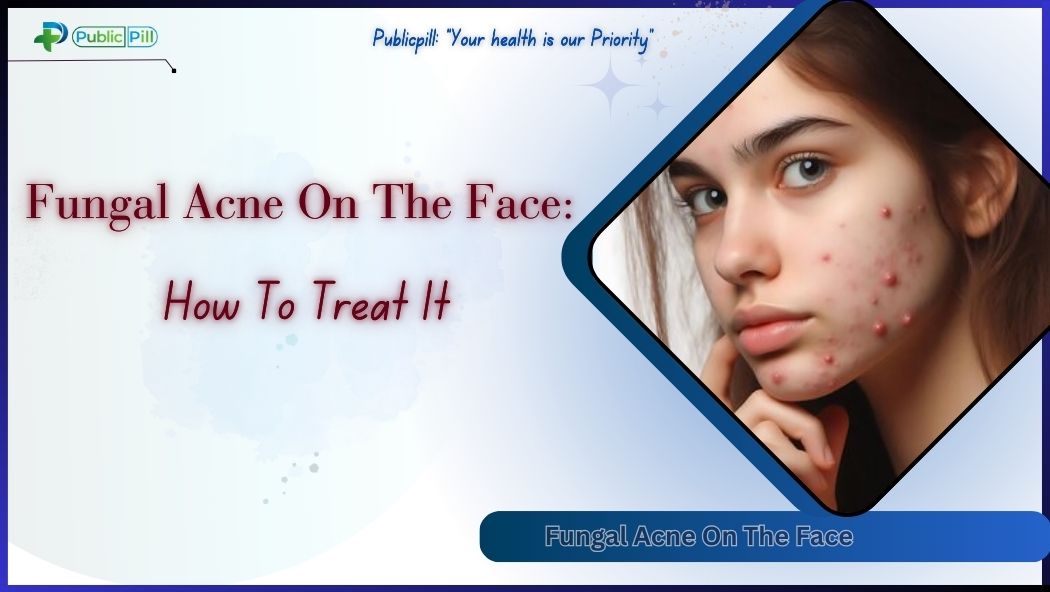
Fungal acne on the face can be very uncomfortable for anyone. The irritation it causes is not only physical but can also affect your mental well-being. When a fungal infection appears on the skin, it often leads to worries about proper skin care, dark patches, and even loss of confidence because of changes in facial appearance. That is why finding a quick and effective solution becomes important.
In this article, we will provide a clear overview of fungal infection that occur on the face. You will learn what they are, how they develop, and the best ways to care for your skin to prevent further problems. By understanding the condition and its treatment options, you can protect your skin and maintain your confidence. Stay with us until the end of the article to learn more.
What Is A Fungal Infection On The Face?
Medically, this condition is known as Malassezia folliculitis, and it is quite different from regular Treat Fungal Acne. It occurs when yeast begins to grow around the hair follicles on the skin. Because of this, the condition does not respond well to the usual acne treatments that are commonly used in everyday skin care routines. Instead, it requires proper antifungal treatment to effectively manage and clear the infection.
Treat Fungal Acne isn’t actually acne. True acne (Acne Vulgaris) involves clogged pores, sebum, and P. acnes bacteria. Treat Fungal Acne happens when a common yeast called Malassezia, which lives on everyone’s skin, decides to throw a party inside your hair follicles.
When the environment becomes hot, humid, or oily, this yeast multiplies. Your body reacts by sending inflammatory markers to the site, resulting in uniform, red, itchy bumps.
How do you know it’s time to change your strategy? Look for these three red flags:
The Itch: Traditional acne rarely itches. Treat Fungal Acnealmost always does.
Uniformity: Bacterial pimples come in all shapes and sizes (blackheads, whiteheads, cysts). Fungal bumps are usually uniform, small, and monomorphic.
Location: While it loves the face, it frequently migrates to the chest, back, and shoulders.
Nature Of Fungal Acne On The Face:
In such cases, the acne can be more painful than typical acne. There is also a higher chance of developing dark spots or marks on the face. If the condition is left untreated, it may lead to persistent redness, severe irritation, and in some cases, inflammation of the affected area.
Treatment For Fungal Acne
Treating fungal acne on the face requires a delicate balance. Because facial skin is significantly more sensitive than the rest of the body, relying solely on aggressive medical interventions can often lead to irritation or a damaged skin barrier. Achieving a clear complexion requires a holistic approach that combines targeted clinical treatments with gentle home remedies and strict lifestyle adjustments.
To help you navigate this process, here is a concise guide to the essential “do’s and don’ts” for managing facial fungal acne.
Comparison of Care Methods:
Focus Area
Solution
Why it Works
Cleansing
Ketoconazole or Sulfur
Directly kills the Malassezia yeast cells.
Hydration
Aloe Vera or Squalane
Provides moisture without feeding the fungus.
Prevention
Silk/Cotton Pillowcases
Reduces friction and prevents heat buildup.
Tone
Diluted ACV
Acidifies the skin surface to inhibit yeast growth.
Some more care Guideline on treat fungal acne:
Treatment Category
Common Options
How It Works
Usage Guidance
Topical Antifungal Creams
Ketoconazole, Clotrimazole, Miconazole
Helps eliminate yeast present on the skin surface
Apply gently on the affected area once or twice a day for about 2–4 weeks
Antifungal Shampoo (Face Cleanser Use)
Ketoconazole-based shampoo
Controls fungal buildup on the skin
Apply on the face, leave it for around 5 minutes, then rinse thoroughly
Oral Antifungal Medicines
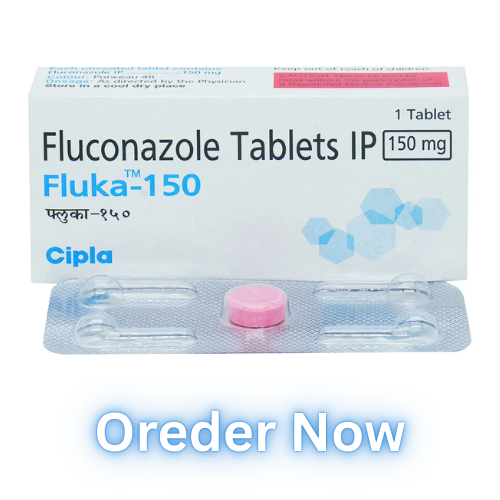
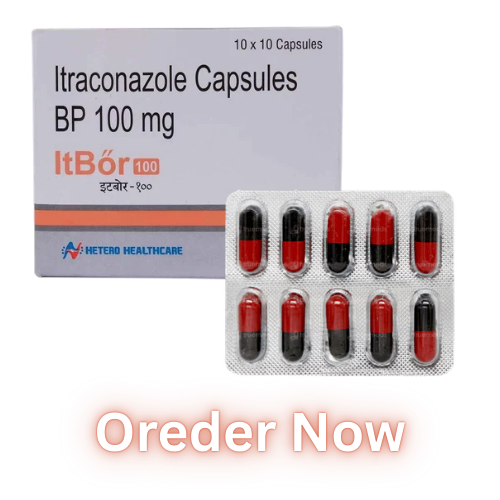
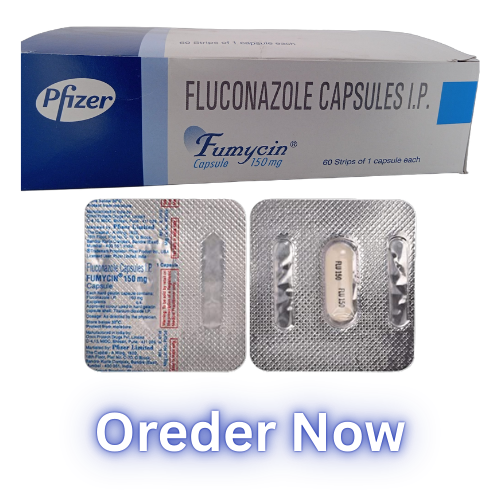
Fluconazole, Itraconazole
Treats deeper or more serious fungal infections
Should only be taken after consultation and prescription from a doctor
Sulfur-Based Treatments
Sulfur soap, sulfur ointment
Helps reduce yeast growth and calms skin irritation
Generally recommended for daily use on affected skin
Lifestyle & Skin Care Changes
Loose clothing, avoiding oily products
Lowers the risk of fungal infection returning
Maintain proper hygiene and keep the skin clean and dry
Guidance Medical Treatments For Treat Fungal Acne:
When you visit a dermatologist for treatment, they will usually recommend a combination of therapies to control the infection and restore healthy skin. Some of the commonly suggested treatments include:
➯ Oral Medications: Doctors may prescribe antifungal tablets that work from inside the body to eliminate the fungus and support your immune system in fighting the infection. These medicines help stop fungal growth by disrupting their protective structure and preventing them from multiplying. They can also reduce redness, swelling, and internal irritation. An example often prescribed is Vorier 200 mg, which helps control fungal activity effectively.
➯ Antiseptic Cleansers: Medicated washes or cleansers may also be recommended to treat the skin externally. These products help keep the affected pores clean and prevent yeast from growing again inside the hair follicles. Regular use of these washes can reduce the risk of further contamination and keep the skin fresh and hygienic.
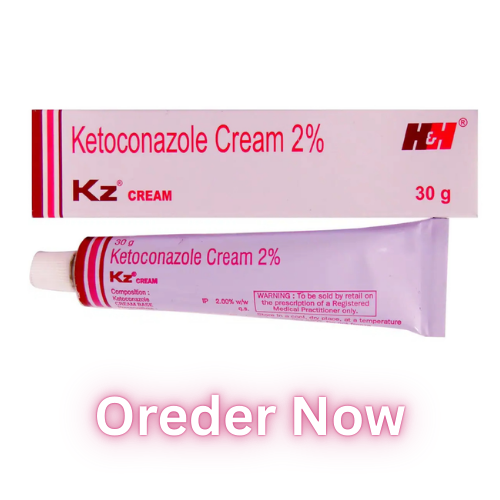
➯ Topical Creams: Dermatologists may suggest antifungal creams, gels, or powders for direct application on the affected area. These topical treatments help stop fungal growth on the skin and reduce redness, itching, and irritation. In many cases, the cream needs to be used for a longer period, even after oral medication is stopped, to ensure the infection is completely cleared. One commonly prescribed option is KZ Cream, known for its effectiveness in controlling fungal infections.
➯ Advanced Treatment Options: In cases where standard medications do not provide sufficient results, advanced therapies may be considered. One such treatment is Photodynamic Therapy (PDT). In this procedure, a special photosensitizing agent is applied to the skin and activated with light to destroy yeast cells. This method is generally used only when conventional treatments fail to improve the condition.
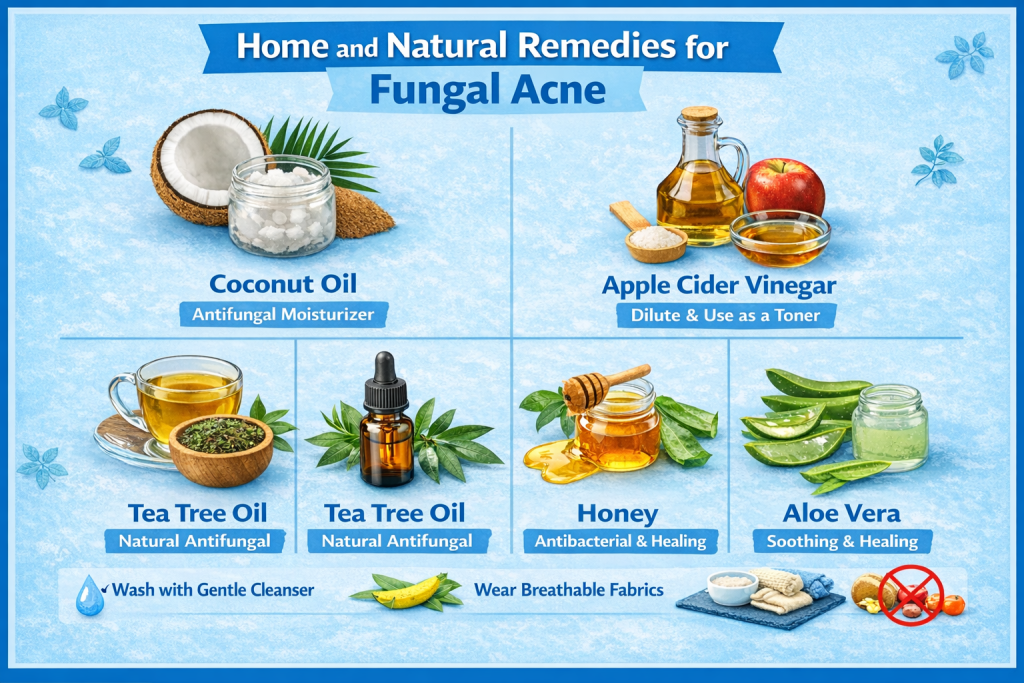
Home And Natural Remedies for treat fungal acne:
Alongside your prescribed medical treatment, incorporating home remedies can enhance your skin care routine, boost your skin’s health, and provide extra protection against future fungal flare-ups. Here are some effective solutions you can follow:
Treat Fungal Acne: Home And Natural Remedies
Sulphur: Using sulphur-based soaps can be helpful in treat fungal acne. Sulphur has natural antifungal and antibacterial properties that help reduce yeast growth on the skin. It also helps unclog pores, remove excess oil, and keep the skin clean. Regular use of sulphur soap may support healthier skin and reduce the chances of fungal buildup.
Tea Tree Oil: Tea tree oil is widely known for its antifungal and antimicrobial benefits. It can help control the growth of yeast in the affected area and reduce irritation. Mix a small amount of tea tree oil with a carrier oil and gently apply it to the affected spots two to three times a day. This may help soothe the skin and improve the appearance of treat fungal acne.
Honey: Honey is a natural ingredient with antibacterial and soothing properties. It can help keep the pores clean and prevent fungal organisms from settling on the skin. Apply a thin layer of raw honey on the affected area, leave it on for about 15–20 minutes, and then rinse with lukewarm water. Regular use may help calm the skin and reduce Treat Fungal Acne flare-ups.
Warm Compress: Applying a warm compress can help relieve discomfort, swelling, and inflammation caused by Treat Fungal Acne. A warm cloth or heating pad placed gently on the affected area for a few minutes may improve blood circulation and reduce pain. However, it is best to consult a doctor before using heat therapy, as excessive heat may sometimes worsen certain skin infections.
What To Avoid if you have Treat Fungal Acne?
Many common skincare oils and fatty acids can inadvertently fuel the growth of yeast on your skin, leading to persistent fungal breakouts. When an infection like Malassezia folliculitis develops, a complete overhaul of your daily regimen is essential to “starve” the fungus and allow your skin to heal. To treat fungal acne effectively, you must eliminate specific triggers that encourage yeast to multiply.
The most important step in how to treat fungal acne is “starving” the yeast. This means eliminating common skincare ingredients that act as a food source for Malassezia:
The Oil Embargo: Avoid products containing most natural oils (like coconut, olive, or sunflower) and fatty acids (like Stearic, Lauric, or Palmitic acid).
No Fermentation: Skip “glow” essences or serums that contain fermented ingredients like Galactomyces.
Avoid Heavy Esters: Look out for ingredients ending in “-ate” (like Isopropyl Palmitate), as these can trigger further growth.
Acids: Avoid products containing Stearic acid and Oleic acid, as they can promote yeast growth. Lauric acid can also contribute to yeast proliferation, so it’s best to steer clear of it.
Fermented Skincare Products: Items with fermented ingredients, such as lactobacillus, can feed yeast and encourage its growth. Avoid using these products on affected areas.
Shea Butter: While commonly included in moisturizers to give facial skin glowing a healthy glow, Shea Butter can trap heat and create an environment that promotes yeast growth. Use caution or avoid it if prone to fungal acne.
FAQs on Treat Fungal Acne
Q. Is There Any Safe Oil That I Can Apply To The Acne?
Generally, mineral oils are considered safe for use. You can also apply some MCT oils, like caprylic or Squalane on the acne spot.
Q. Can I Apply Any Moisturizer To The Acne Spot?
If, at all, you need to apply any moisturizer to avoid the Vaginal dryness from the use of topical solutions, apply Niacinamide-based moisturizers only. They are gel-based and Hyaluronic acid-based components and are very effective for acne.
Q. Which Moisturizer To Avoid During treat fungal acne?
Moisturizers that contain Shea Butter must be avoided. They trap the heat on the spot and can be a fermentation spot for the yeasts.
Q. Can I Apply Cotton To The Acne Spot?
If it is a treat fungal acne-infected, ever use cotton pads on the spot. They will react with the fungi and cause contamination to the areas that comes in touch to the cotton.
Publicpill
Owner
Publicpill is an online pharmacy designed to make purchasing medicines and healthcare products convenient, affordable, and accessible. With a user-friendly platform, it serves as a one-stop solution for all health and wellness needs.