No products in the cart.
Sexual Deprivation: How Does It Affect Women
Sexual health is a vital component of overall well-being, yet many individuals struggle with the challenges of sexual deprivation. While this issue affects both men and women, it often has a more profound impact on women, leading to significant emotional frustration and physical irritability. Understanding how this lack of intimacy disrupts daily life is the first step toward addressing the imbalance and restoring a healthy, fulfilling connection.
Sexual deprivation is defined as the deep frustration caused by a significant imbalance in sexual activity between partners. It often manifests as emotional distress or a sense of rejection when one partner’s physical and emotional needs remain consistently unmet during or after intimacy, creating a disconnect that can strain the relationship’s overall health.
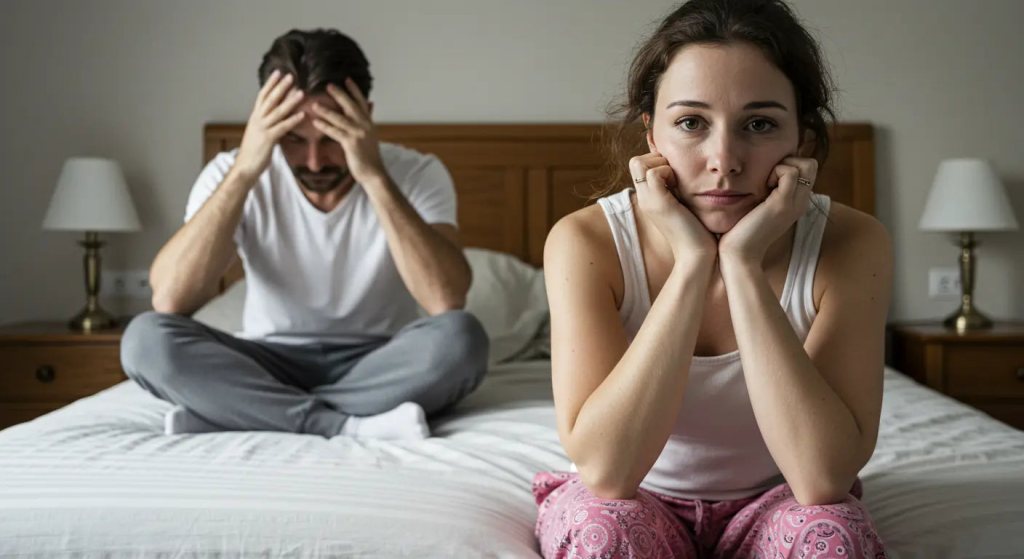 Understanding the psychological and physical connection between intimacy and women’s health.
While sexual deprivation can affect anyone regardless of age or gender, it is a clinical and psychological challenge frequently reported by women. In many cases, this distress arises from a physical mismatch where intimacy ends before both partners are fully satisfied. This article explores the biological and psychological impacts of unmet intimacy on women’s health, offering insights into how this imbalance affects long-term well-being. Stay tuned as we dive deep into the essential connections between sexual fulfillment and WOMEN’S HEALTH.
What Are The Signs Of Sexual Deprivation?
The signs of sexual deprivation manifest through both psychological and biological symptoms, often impacting a person’s overall quality of life. Recognizing these indicators is crucial for identifying the underlying causes of emotional and physical distress. Here are the primary signs to look for:
➯ Change In Mood:
Psychologically, sexual deprivation often leads to heightened restlessness and unexplained agitation toward partners. This frustration can manifest as sudden emotional outbursts or shouting without a clear cause. In many instances, this underlying stress unintentionally overflows into other areas of domestic life, impacting interactions with children and straining the overall family dynamic.
➯ Change In Focus:
Unmet intimacy often leads to a significant decline in concentration, as persistent sexual fantasies can dominate a woman’s thoughts and distract from daily responsibilities. This lack of focus frequently extends into the professional sphere, where decreased productivity and diminished mental clarity can negatively impact job performance and career growth.
➯ Disconnection:
Frequent, unprovoked arguments and quarreling over trivial matters are common indicators of sexual deprivation. These sudden bursts of conflict often create a sense of annoyance and hostility, leading to a deep emotional disconnection between women and their partners that can further damage the relationship’s foundation.
➯ Health issues:
Chronic sexual deprivation can lead to unhealthy coping mechanisms, such as an increased reliance on pornography, excessive alcohol consumption, and chronic sleep deprivation. These habits create a physical toll, often contributing to hormonal imbalances like Polycystic Ovary Syndrome (PCOS) and other systemic health issues. Immediate physical consequences can also include genital discomfort and elevated High blood pressure, further complicating a woman’s long-term wellness.
Myths vs. Facts: Understanding Sexual Deprivation
It is essential to separate misconceptions from reality to understand how intimacy impacts health. Below are the common myths contrasted with the medical and psychological facts:
What Are The Causes Of Sexual Deprivation?
Once you have identified these signs and symptoms in your own life, it is crucial to examine the underlying factors at play. Understanding the root causes is the first step toward addressing these women’s health concerns and restoring balance. Here are the primary causes that contribute to sexual deprivation and its associated health issues:
➥ Unmatched libidos:
A common cause of sexual deprivation is a mismatch in sexual timing and response between partners. When a partner experiences delayed arousal or an early climax, it often leads to a disconnect where one person’s needs are left unfulfilled. For many women, if a partner’s climax occurs before they reach their own orgasm, the resulting loss of intimacy can lead to a decline in sexual interest. This physical asynchrony—where the timing of climax and arousal does not align—is a primary driver of the frustration and lack of satisfaction that defines sexual intimacy.
➥ Sexual Disorders In Men:
These three conditions are the primary medical drivers of sexual deprivation in relationships. When a partner’s physical response does not align with your needs, it creates a cycle of frustration and emotional distance. Here is a professional breakdown of these disorders:
Erectile Dysfunction (ED): This occurs when a partner is unable to achieve or maintain an erection sufficient for intimacy. For the woman, being at the peak of arousal only to have the interaction stop abruptly leads to significant physical and emotional letdown.
Premature Ejaculation (PE): In this case, the partner reaches climax much sooner than desired, often before the woman has had the chance to reach her own orgasm. Once ejaculation occurs, the loss of erection typically prevents the intimacy from continuing, leaving the woman’s needs unaddressed.
Anorgasmia: This is a condition where a partner, despite stimulation, cannot reach a climax. This creates a psychological burden where the woman may feel her own orgasm is “out of sync” or “pointless” because the experience isn’t shared or completed by both parties.
In all three scenarios, the persistent lack of mutual fulfillment triggers the biological and psychological distress known as sexual deprivation.
➥ Lowered Desire In Women:
At times, men are also victims of Sexual Deprivation, especially when their partners or themselves are:
- Victims of high stress and chronic illnesses.
- Pregnant and hence low desire for intimacy.
➥ Communication Gaps:
Openly discussing sexual needs is very much uncommon among the two genders. Each of the genders has a sense that their partner will understand without anything that is said to him or her. This is something that is ultimately common, and that is present in both genders of all generations. They have faith to believe that his or her partner loves them the most when he or she will not have to be told anything. Eventually, this creates a distance between the two and can cause deprivation.
In some other instances, when partners stay away from each other for a job, separation, or any other reason, there happens to be distress in each of them, causing the Sexual Deprivation.
The Final Say:
Sexual deprivation is a universal issue that can claim men, women, or both partners as victims within a relationship. However, statistical and clinical trends show that women are disproportionately affected by this imbalance. Because it so deeply impacts both psychological stability and biological health, it has become a critical area of focus in women’s wellness.
When looking for a solution, it is important to understand that there is no “magic pill” or straightforward medication to resolve deprivation itself. Instead, the path to recovery lies in communication. Breaking the silence and opening up to your partner about physical and emotional needs is the most effective way to bridge the gap, resolve misunderstandings, and begin restoring a healthy, balanced intimate life.
FAQs
Q. Can Man Also Face Sexual Deprivation?
Yes, sexual deprivation is not confined to any gender. Both men and women can face it. However, it is more common in women than in men.
Q. Can I Overcome Sexual Deprivation?
Yes, you can. The need here is a consultation with a doctor or you can yourself converse and disclose what dissatisfies you and what frustrates you more regarding your sexual satisfaction.
Q. Can Any Pill Help Me Out?
In case your partner is in distress, and you have issues like ED or PE, you can take pills to overcome your health conditions. This will help you to overcome the condition and satisfy your partner.
Q. How Ling It Take To Be A Victim Of The Condition?
No condition instantly affects a human. Every human has some resistance power, and they will use it to control their agitation, distress, and distractions. However, when that happens continuously, then only you will be a victim of the deprivation.